Part 1
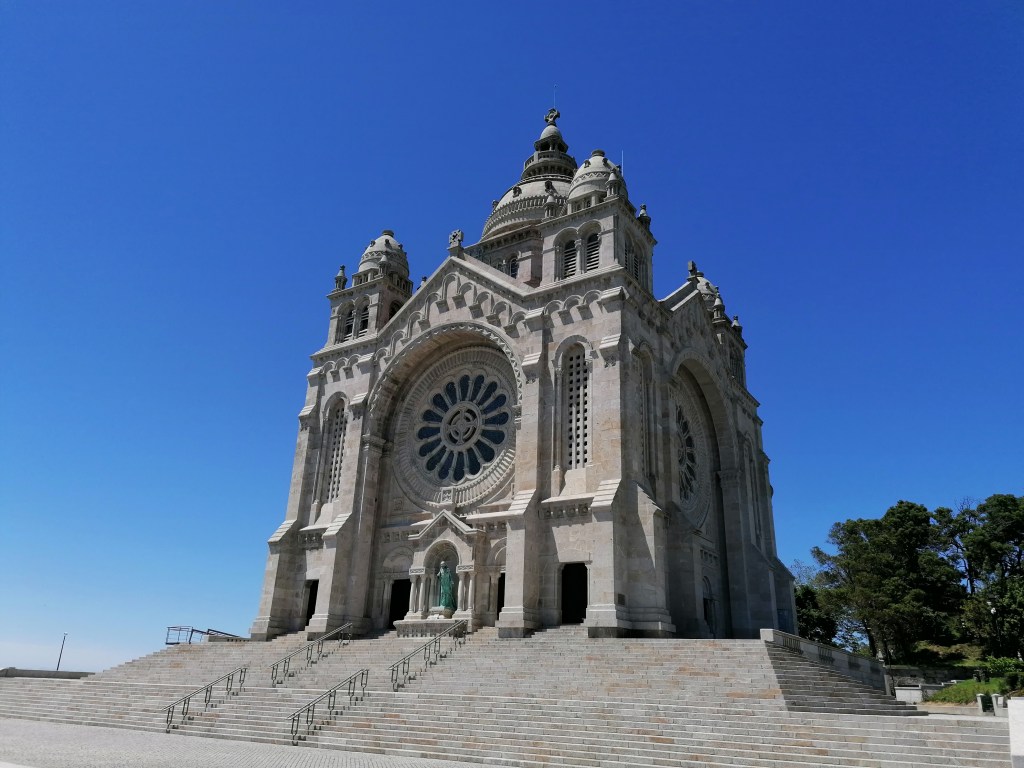
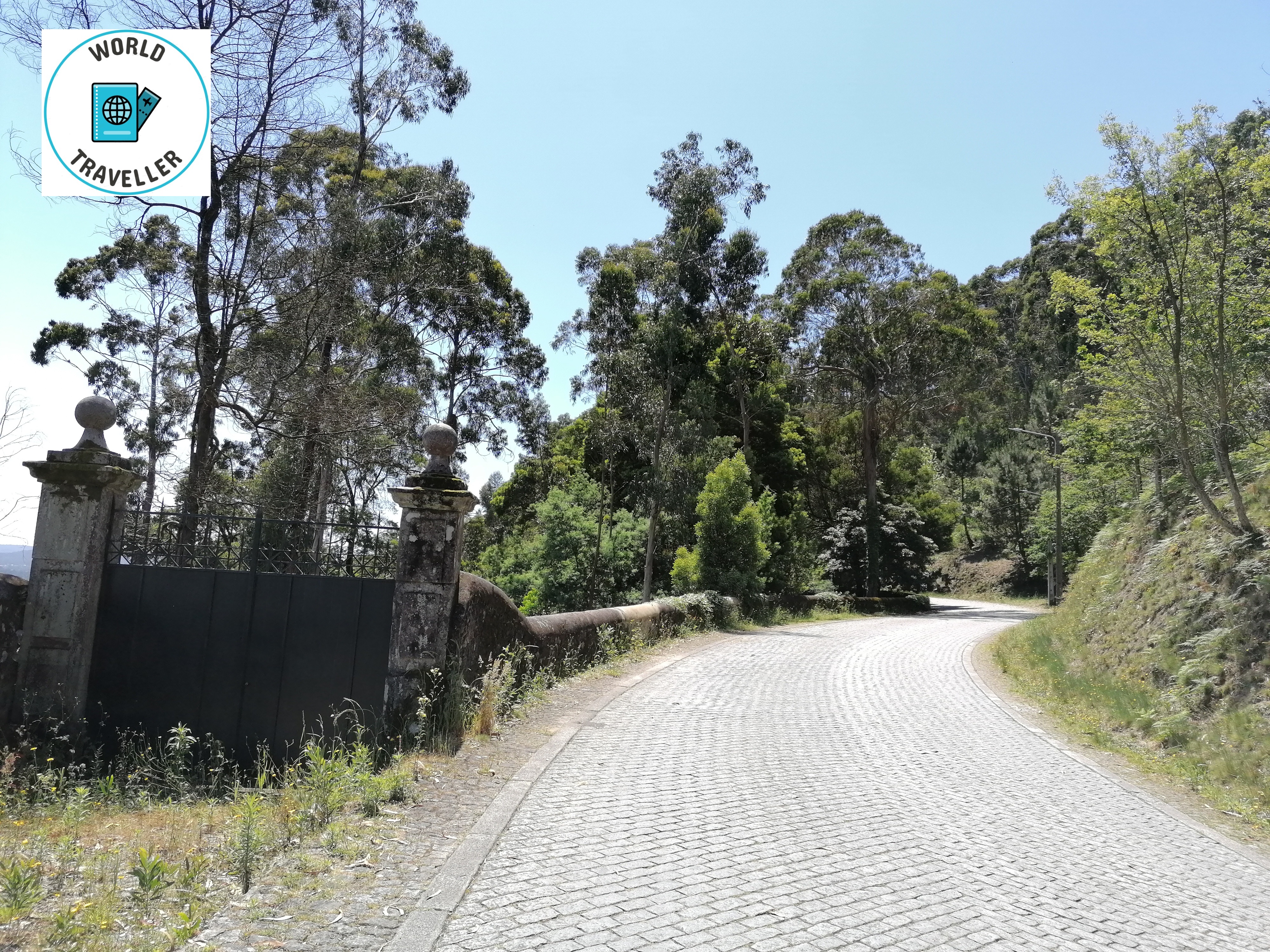
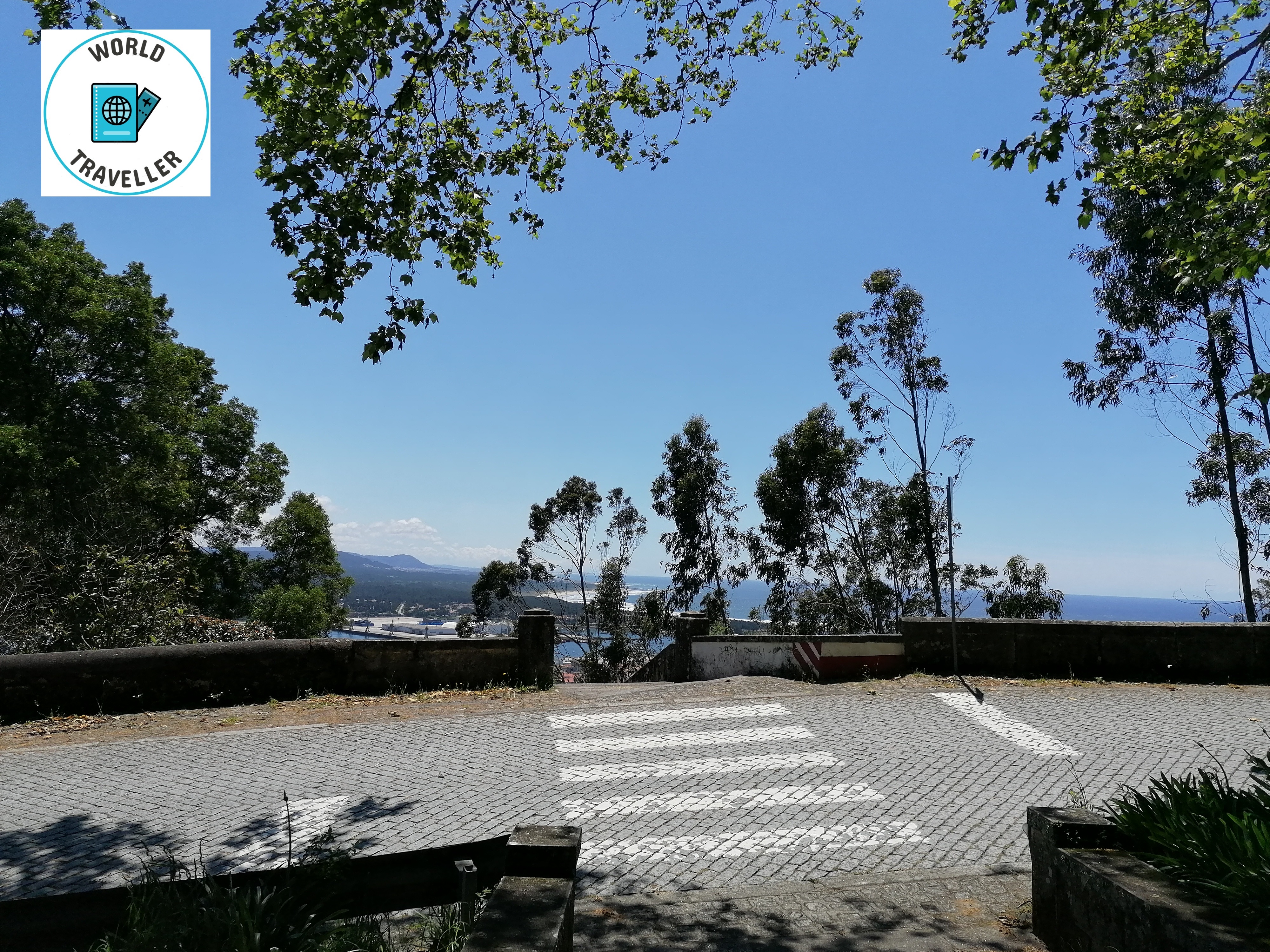
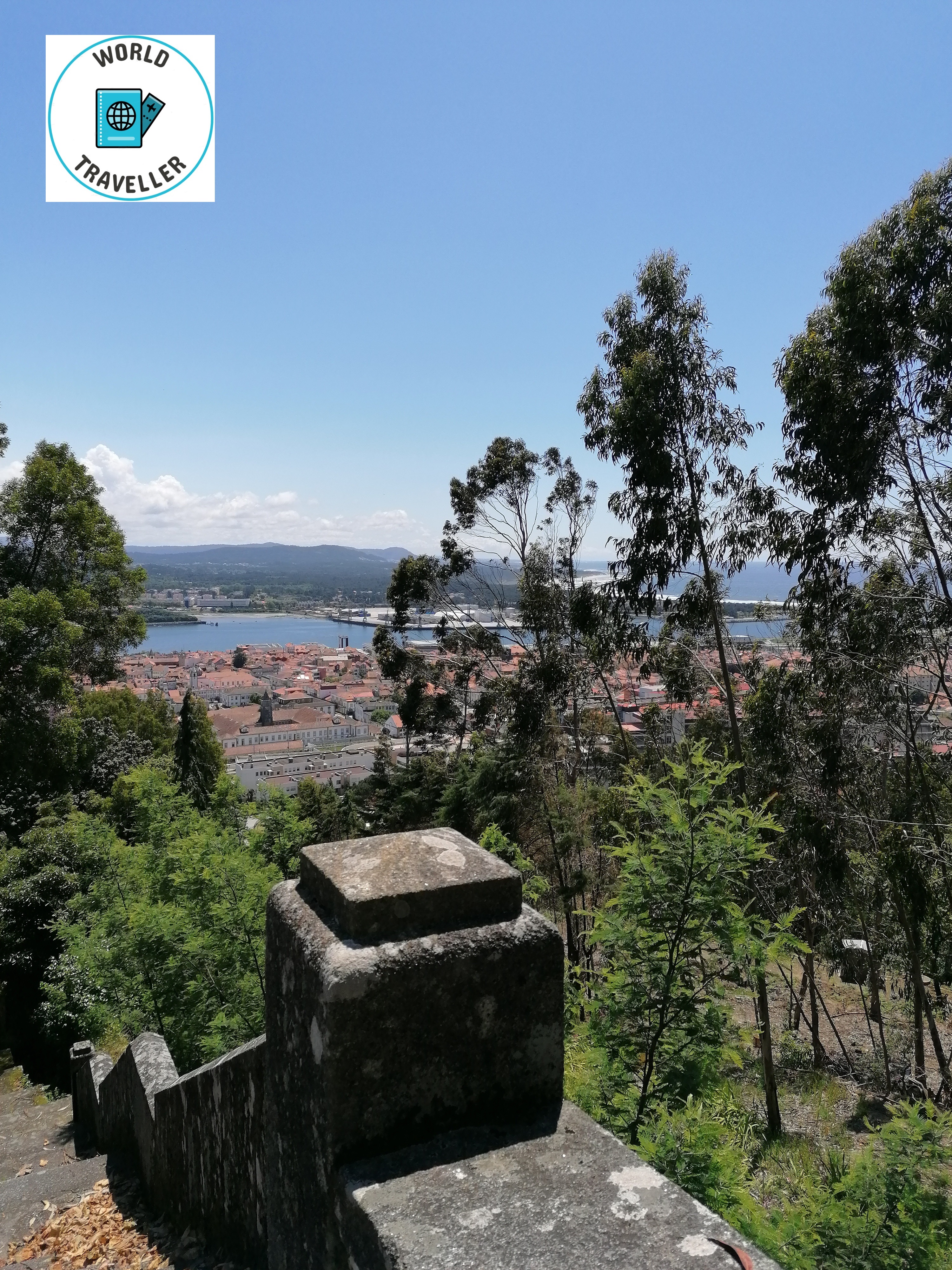
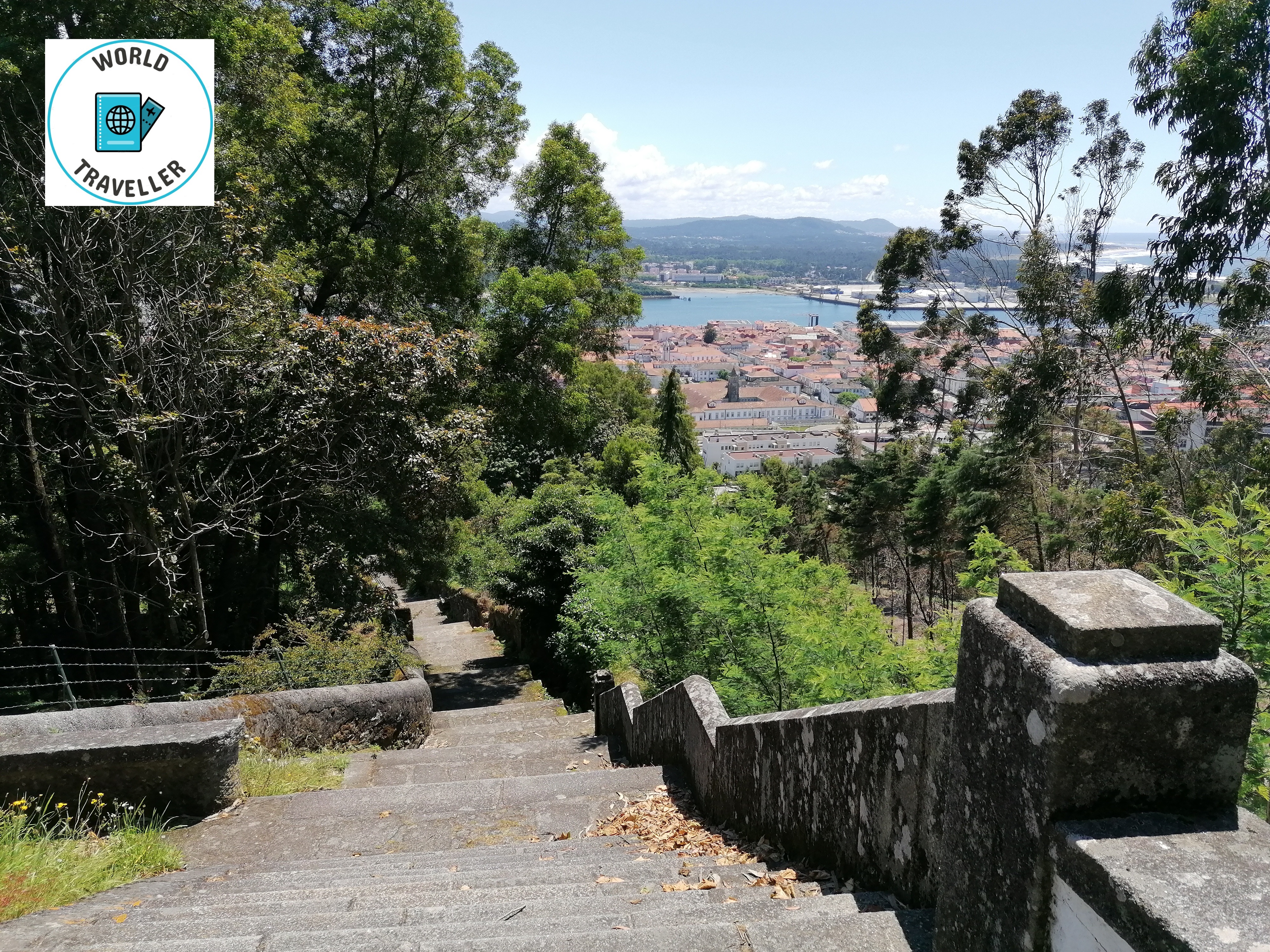
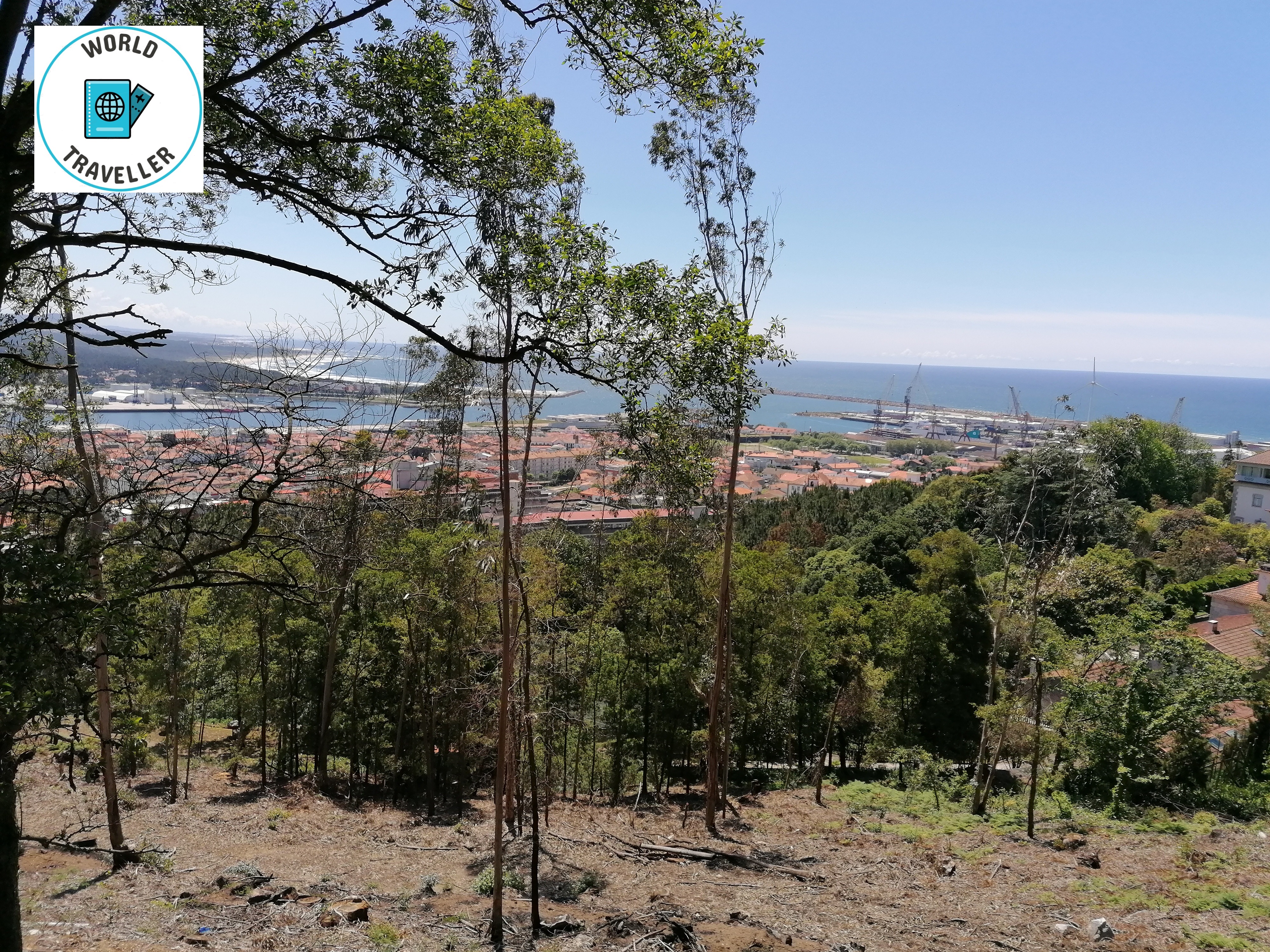
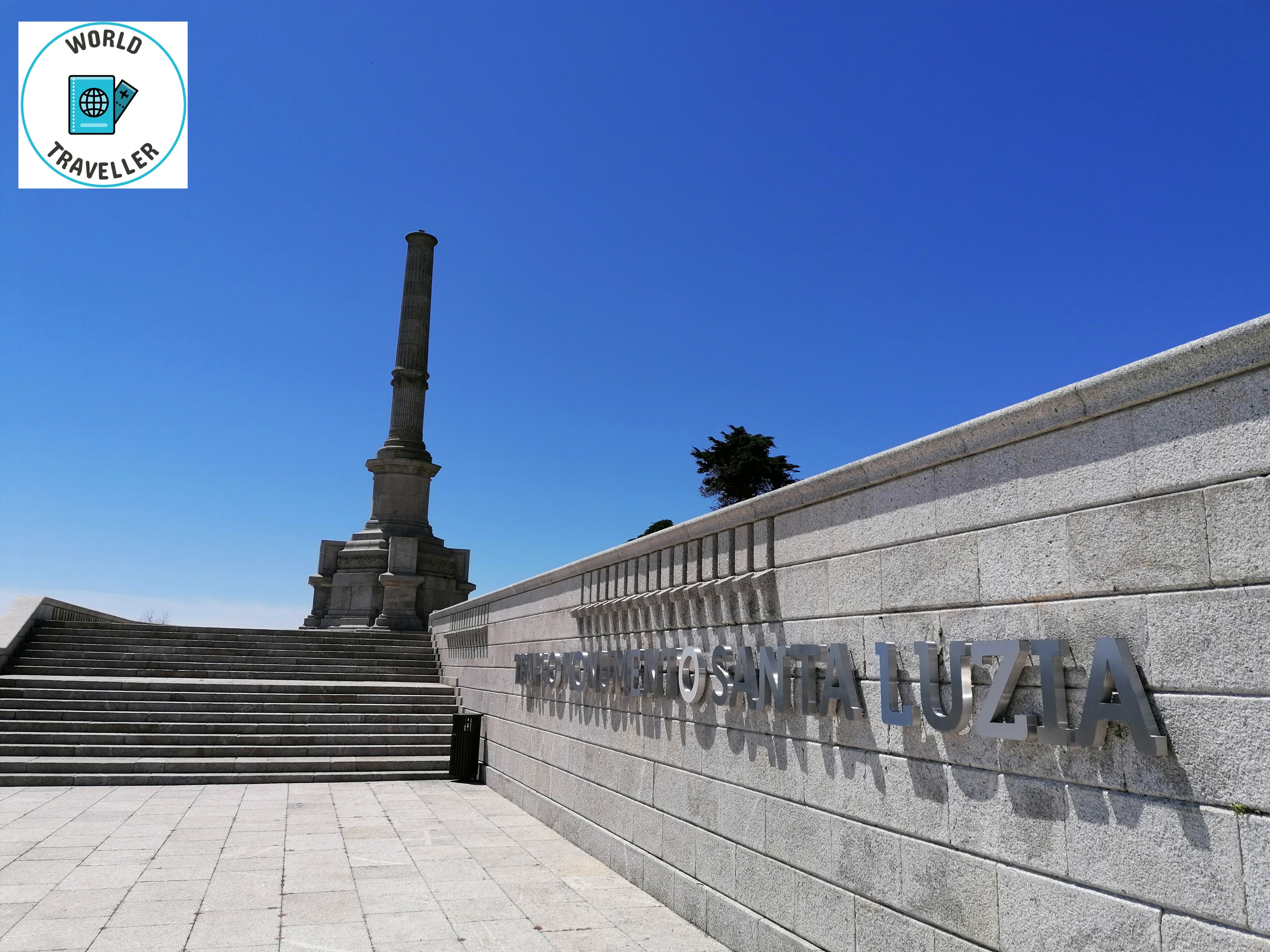
After a long time in lockdown a litle stroll around to Santa Luzia hill on the top of Viana do Castelo city – Portugal.
I leave you with some information about this place, what to see, how to get there, some history around it and has always some pictures and a video.
This post is going to be devided in 2 parts to avoid getting very long and boring post, i think this is the best way.
So this will be Part 1.
History facts :
Source : https://www.visitportugal.com/en/content/basilica-de-santa-luzia
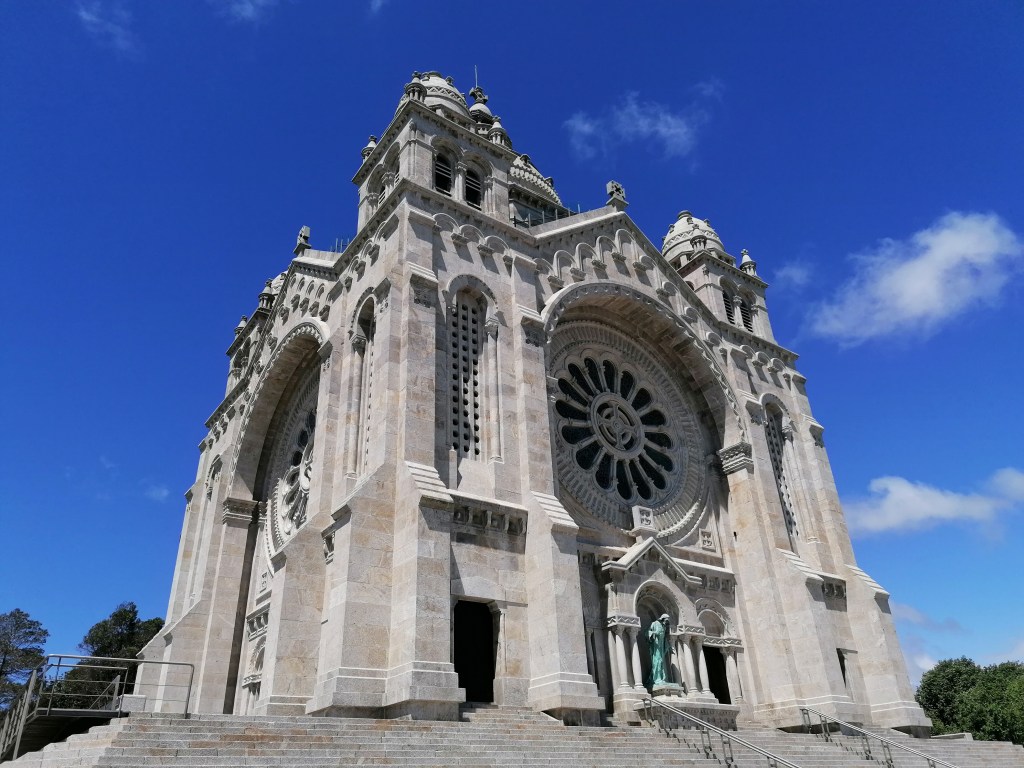
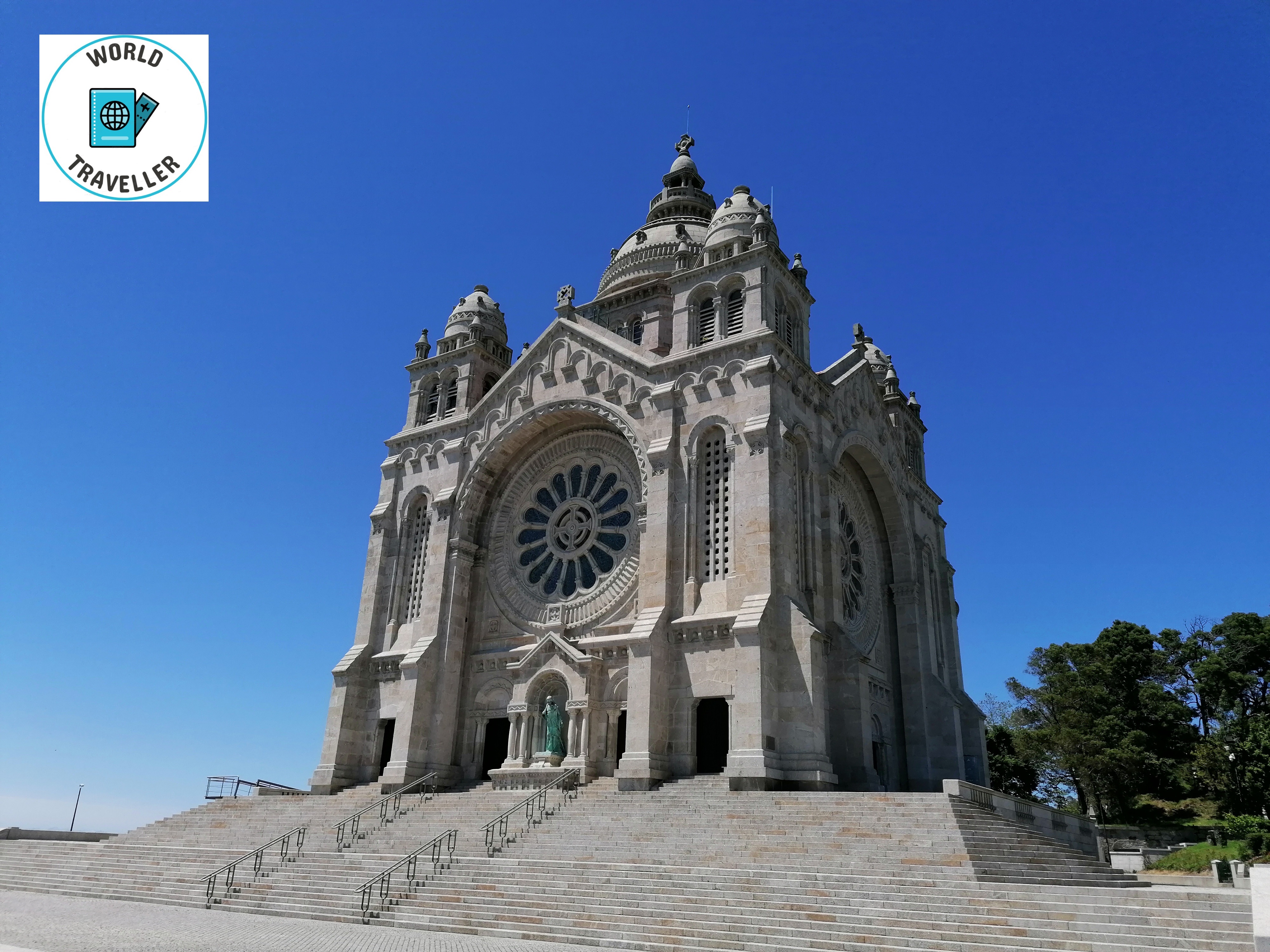
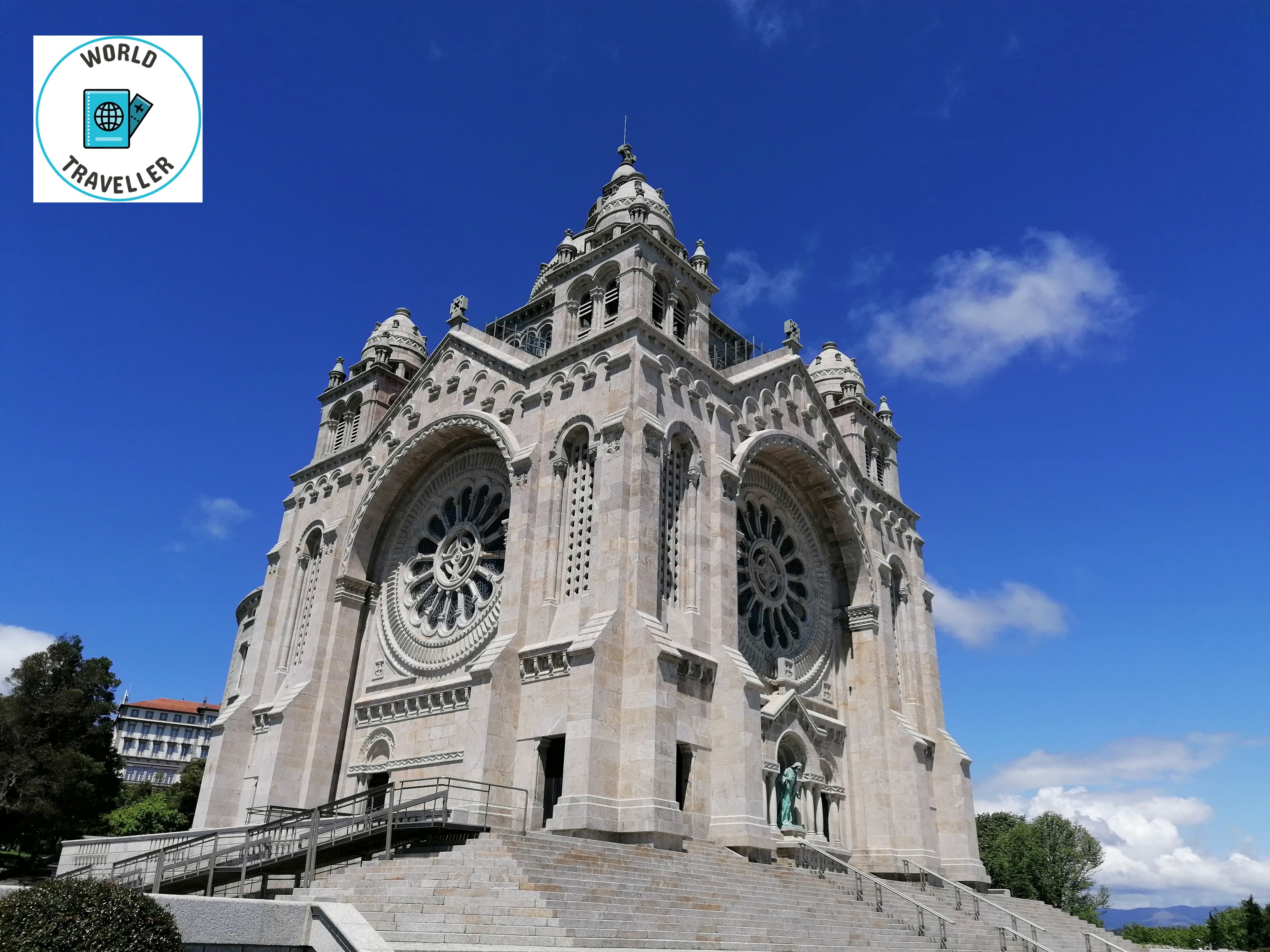
Building work on this basilica dedicated to Santa Luzia and the Sacred Heart of Jesus started in 1904, and lasted until 1959. It is the work of architect Miguel Ventura Terra, who was succeeded by Miguel Nogueira, after the death of his master in 1919.
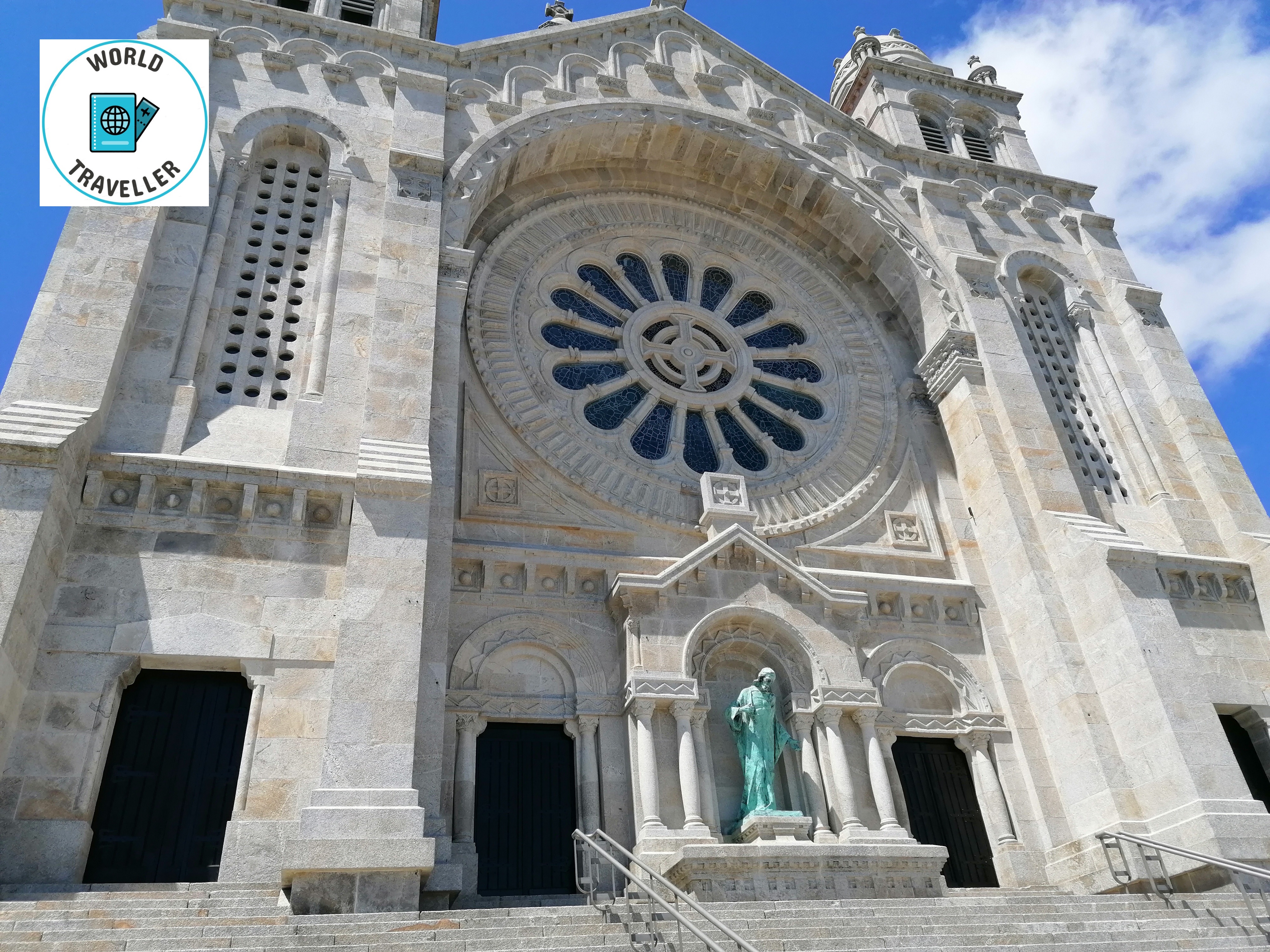
Architecturally, it is of Romanesque-Byzantine inspiration, fitting into the revivalist architecture that marked the turn of the century. Its imposing rose windows are the largest in the Iberian Peninsula and the second largest in Europe.
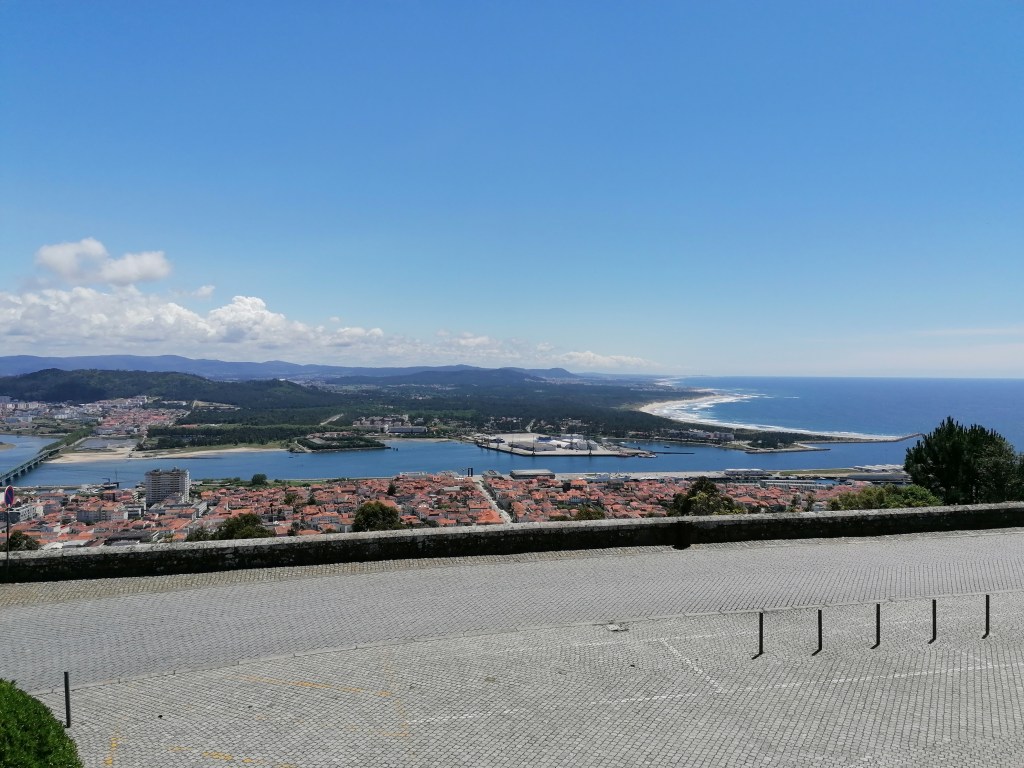
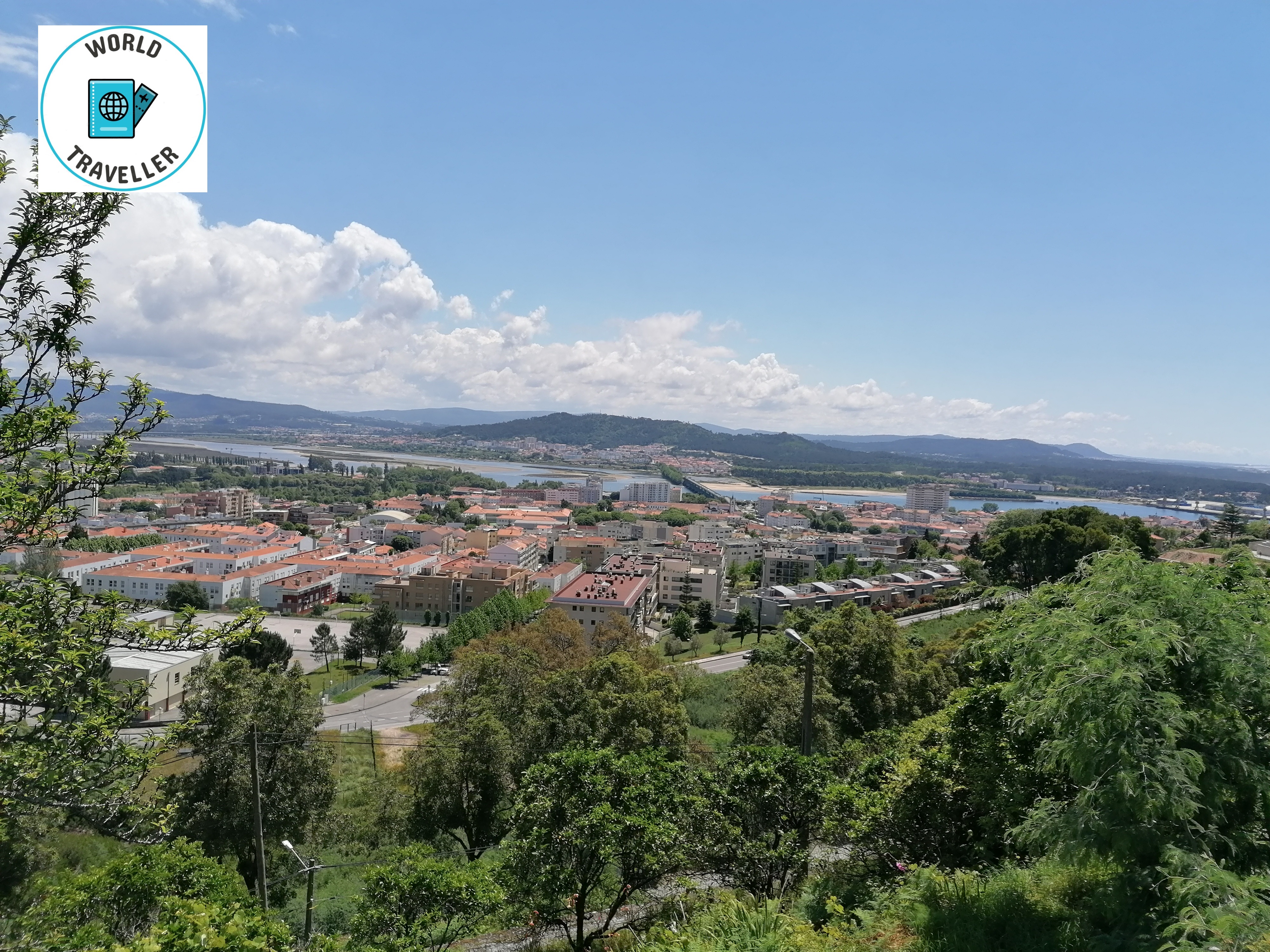
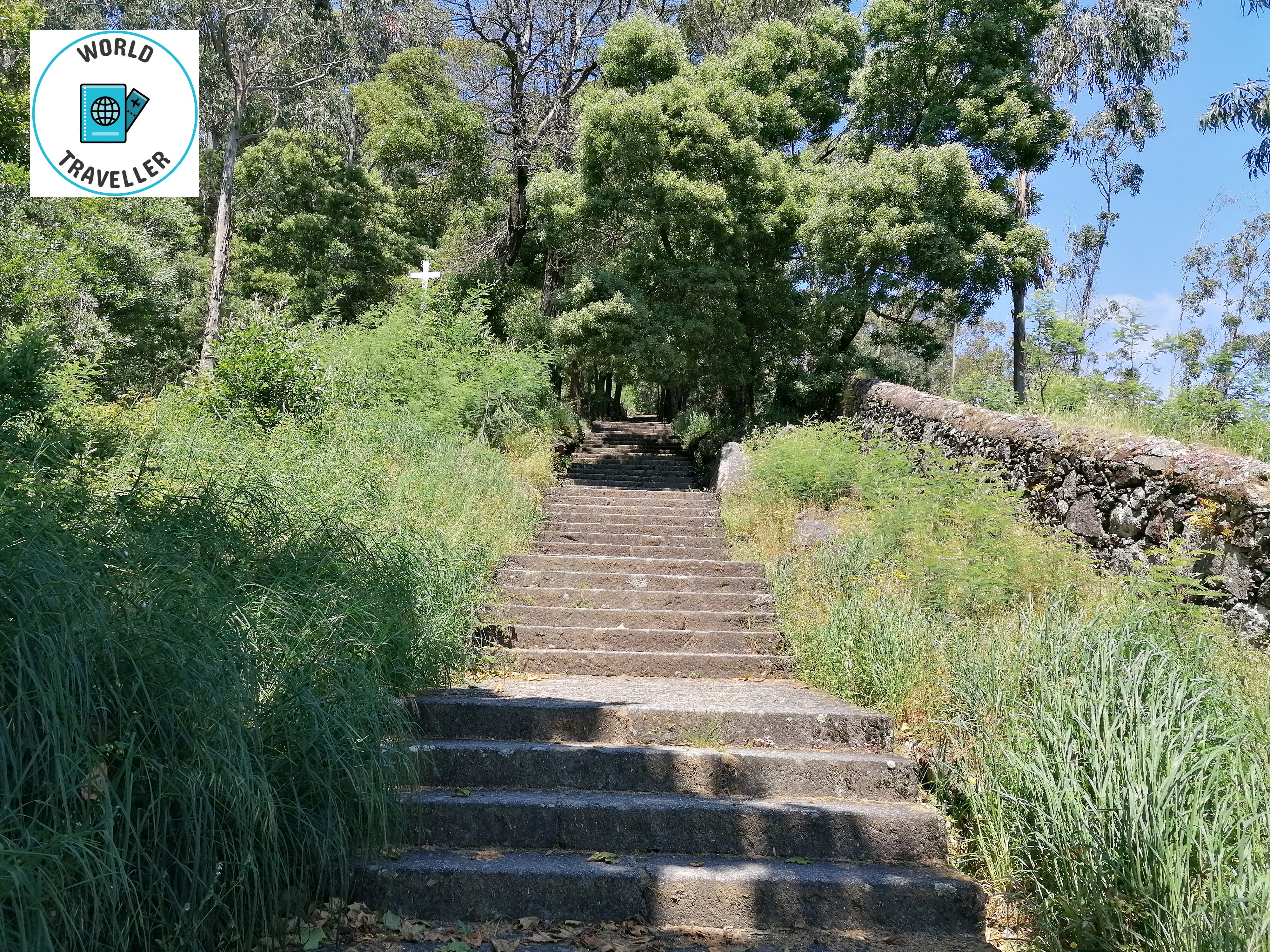
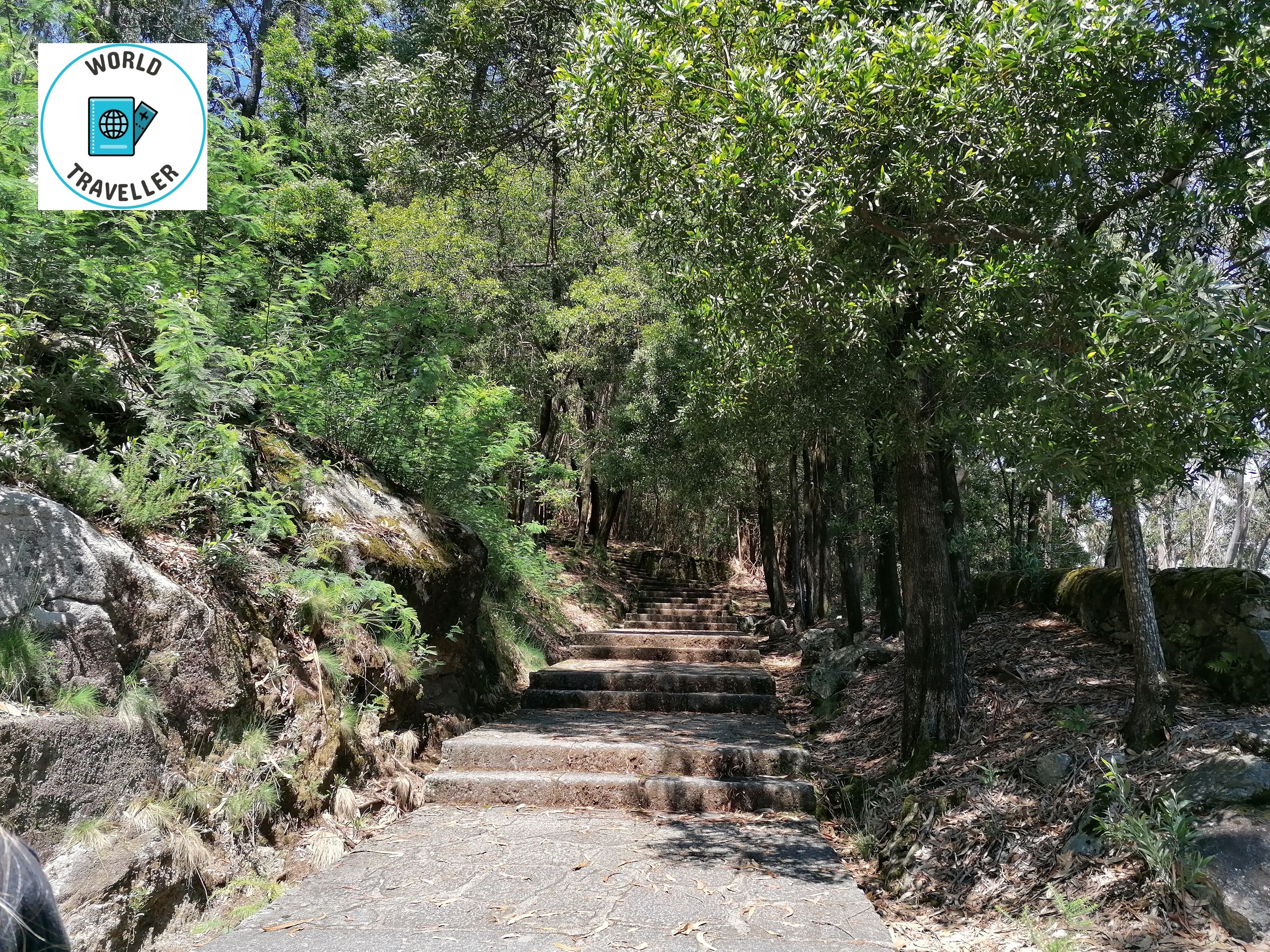
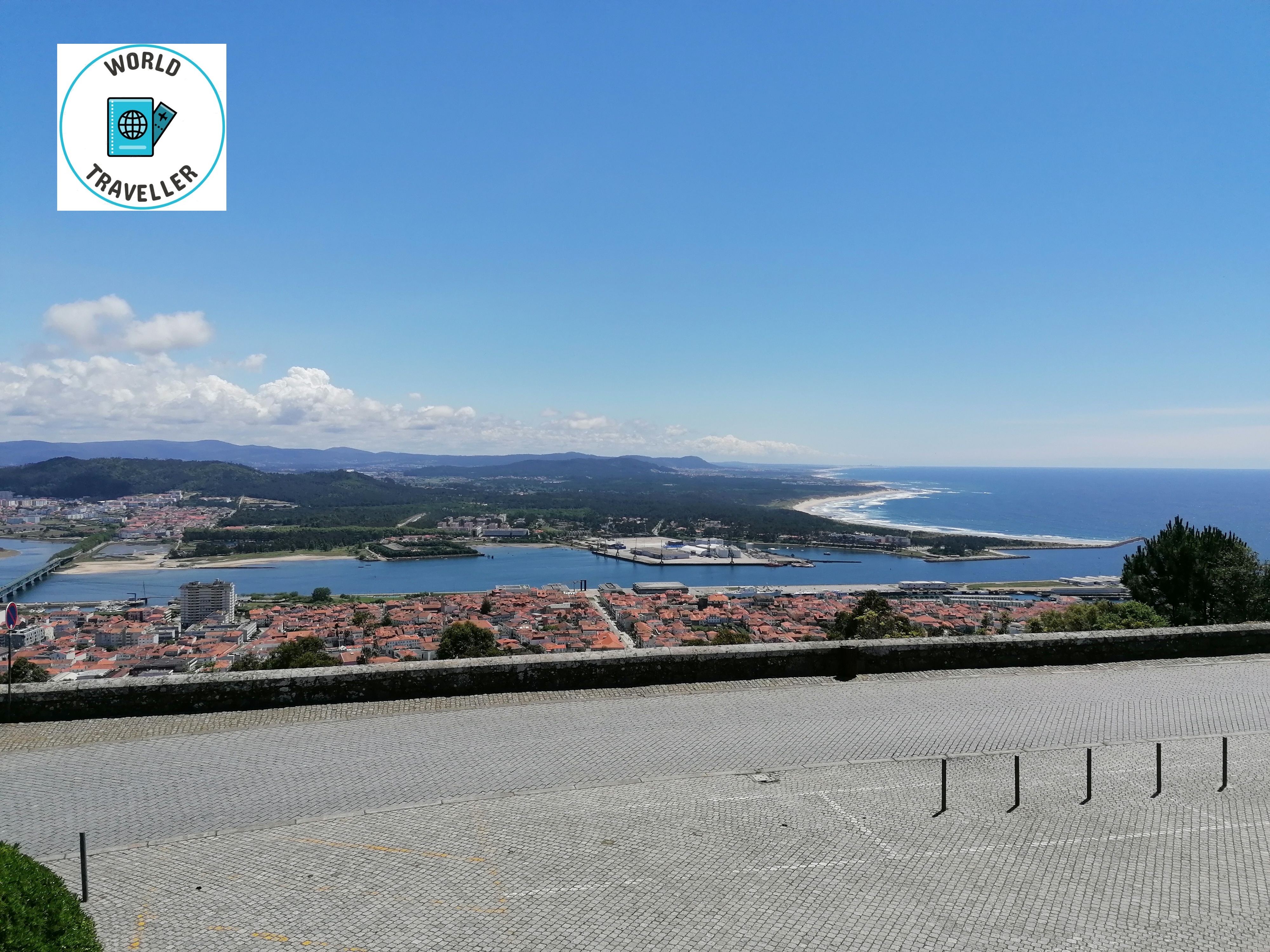
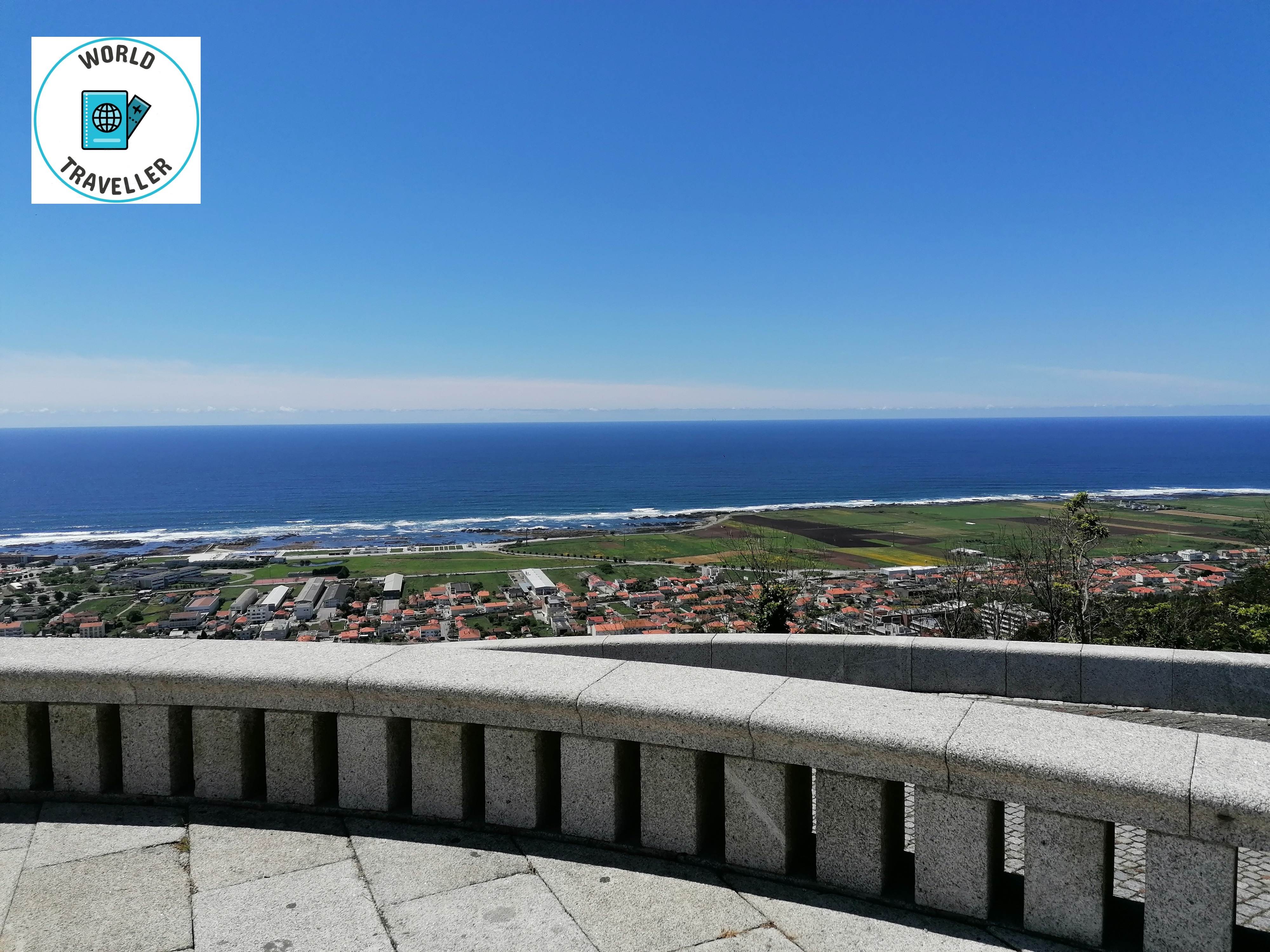
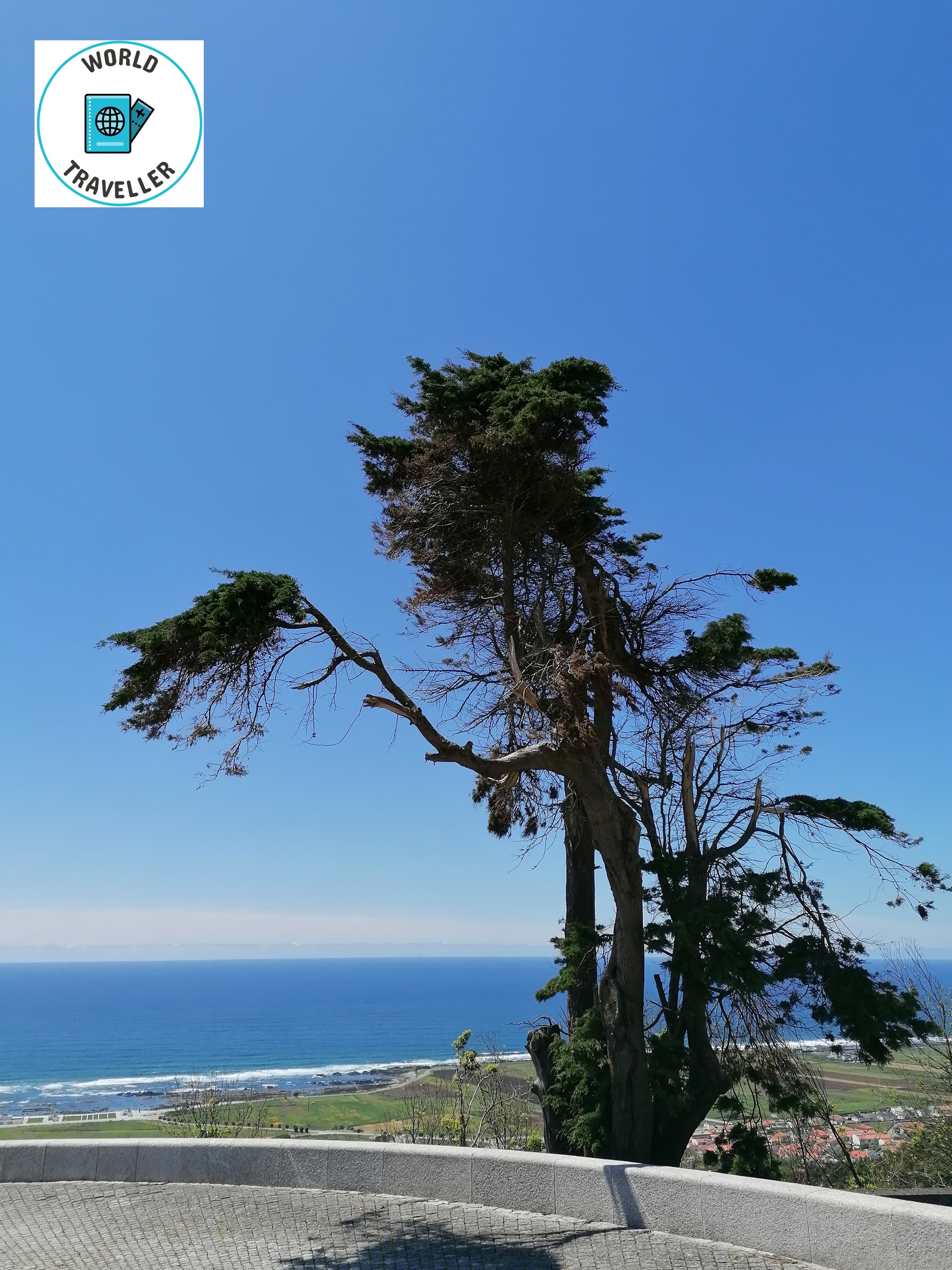
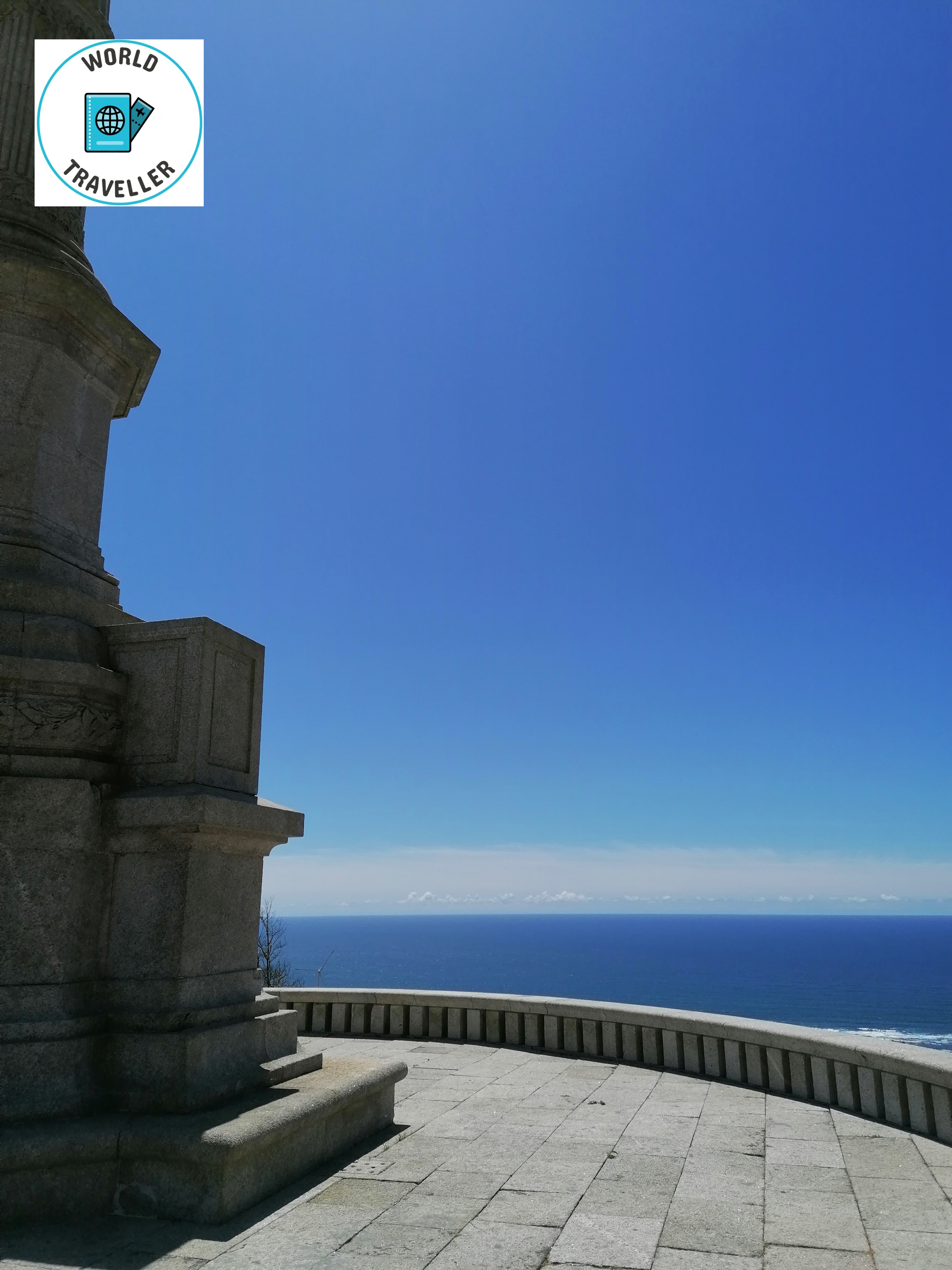
You can reach the top of the Monte de Santa Luzia by funicular (elevator), by car or by climbing the steps. This place dominates an important part of the Lima river valley and a large stretch of the seashore to the north and south of the estuary, as well as the green mountain range. This panorama has been rated by the National Geographic Magazine as the third most beautiful in the World.
Some history about Viana do Castelo city :
Source : https://en.wikipedia.org/wiki/Viana_do_Castelo
Viana do Castelo (Portuguese pronunciation: (listen)) is a municipality and seat of the district of Viana do Castelo in the Norte Region of Portugal. The population in 2011 was 88,725,[1] in an area of 319.02 km².[2] The urbanized area of the municipality, comprising the city, has a population of approximately 36,148 inhabitants, although the extended densely populated region reaches surrounding municipalities like Caminha and Ponte de Lima with a population above 150,000 inhabitants. It is located on the Portuguese Way path, an alternative path of the Camino de Santiago, and at the mouth of the Lima river.
Human settlement in the region of Viana began during the Mesolithic era, from discoveries and archaeological excavations. Even around the Roman occupation the area was settled along the Mount of Santa Luzia.
The settlement of Viana da Foz do Lima, which it was called when King Afonso III of Portugal issued a foral (charter) on 18 July 1258, was a formalization of the 1253 Viana that the area was named.
In the 16th century, its port gained great importance as one of the entry-points for Portuguese explorers and traders, involved in the Portuguese discoveries. Many of the historical buildings originated during this period.
The prosperity that continued developed from the town’s role as a port, protected by defensive structures (such as the Tower of Roqueta) to repel pirates from Galicia and north Africa. The port’s ties to northern Europe came primarily from exports of wine, fruits and salt, and imports of tile, textiles and glass.
After the maritime discoveries and trade, the commercial life of Viana reached its greatest proportions during the reign of Queen Maria II of Portugal, when the monarch established the Associação Comercial de Viana do Castelo in 1852 (the fourth oldest public company of its type). The queen, in order to reward the loyalty of its citizens, who did not surrender to the Count of Antas, elevated the town to the status of city on 20 January 1848, renaming the settlement with its current name.During the dictatorial regime, Viana do Castelo was one of the most important ports of the Portuguese cod fisheries.
Map and adress :
Santuário do Sagrado Coração de Jesus (Monte de Santa Luzia) N13-6,
4901-909 Viana do Castelo
Video :
Photo gallery :
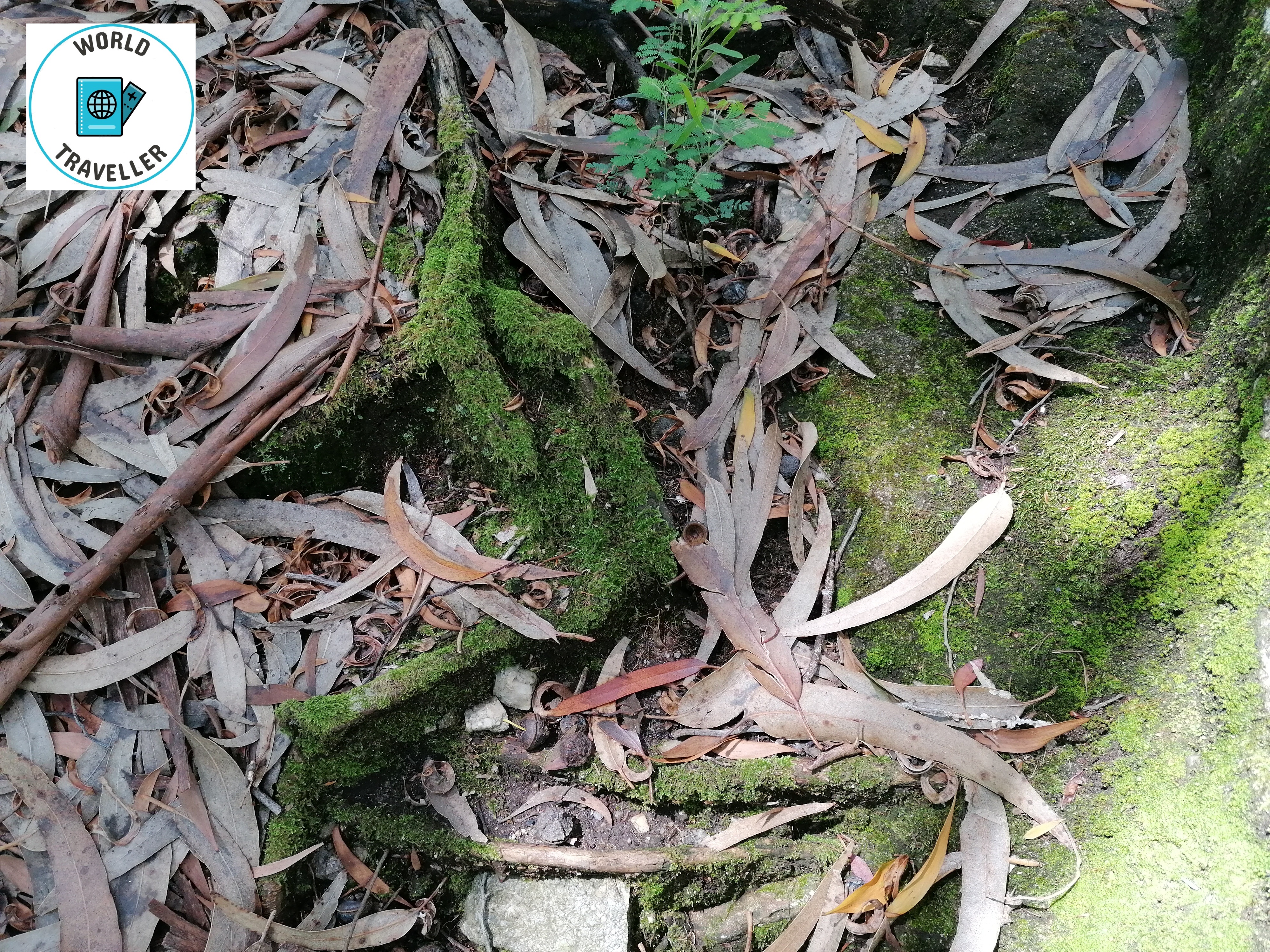
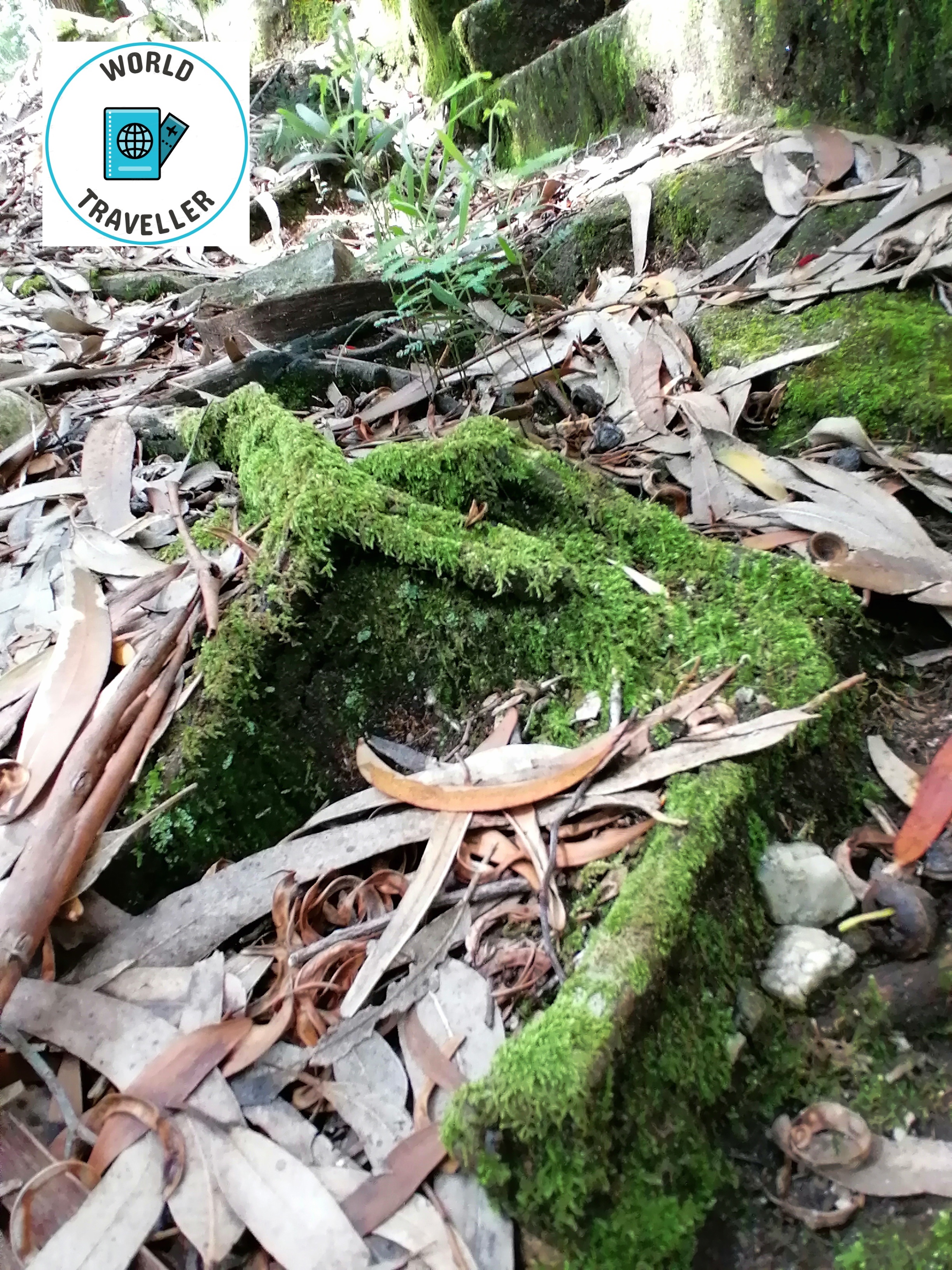
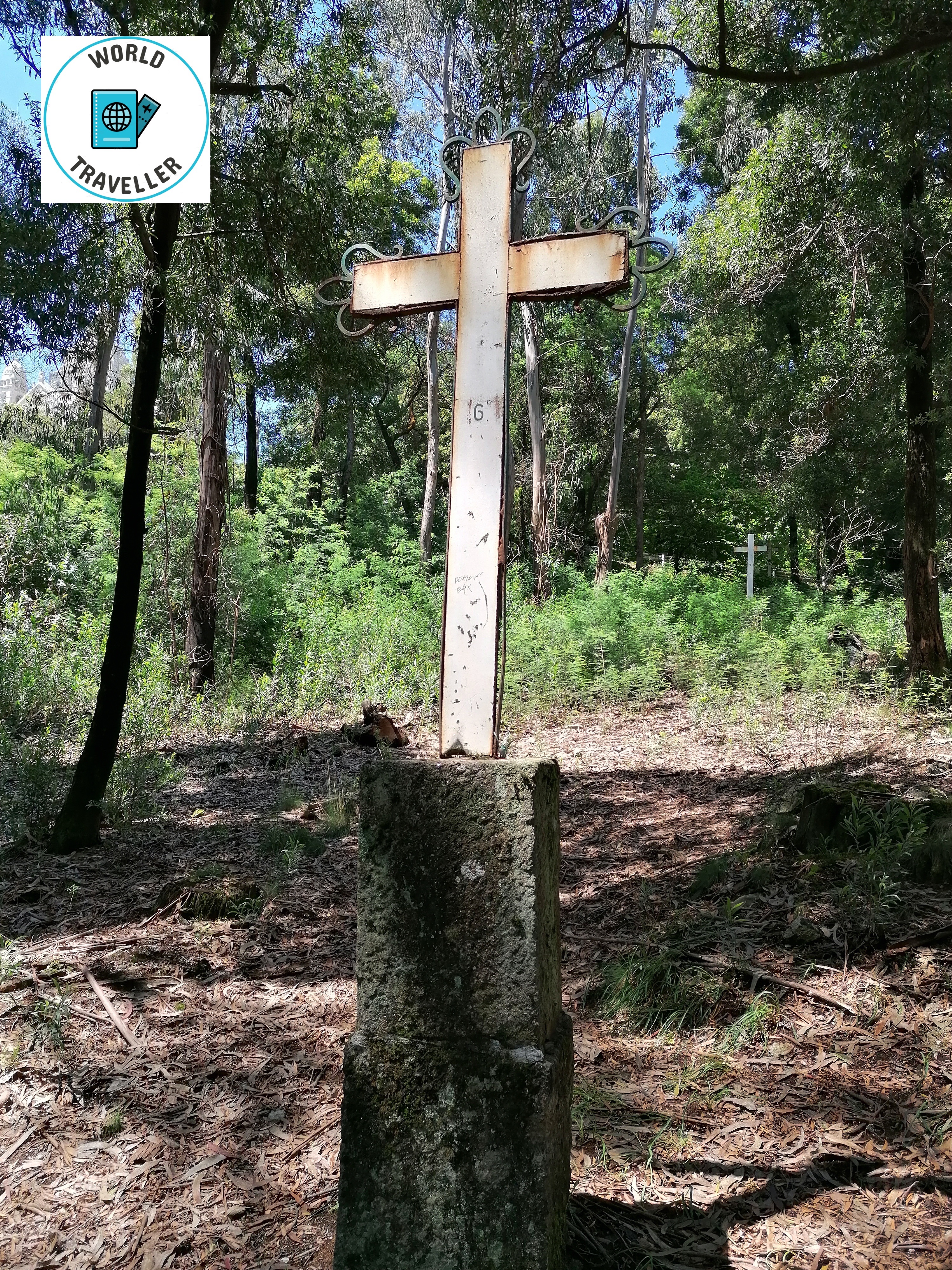
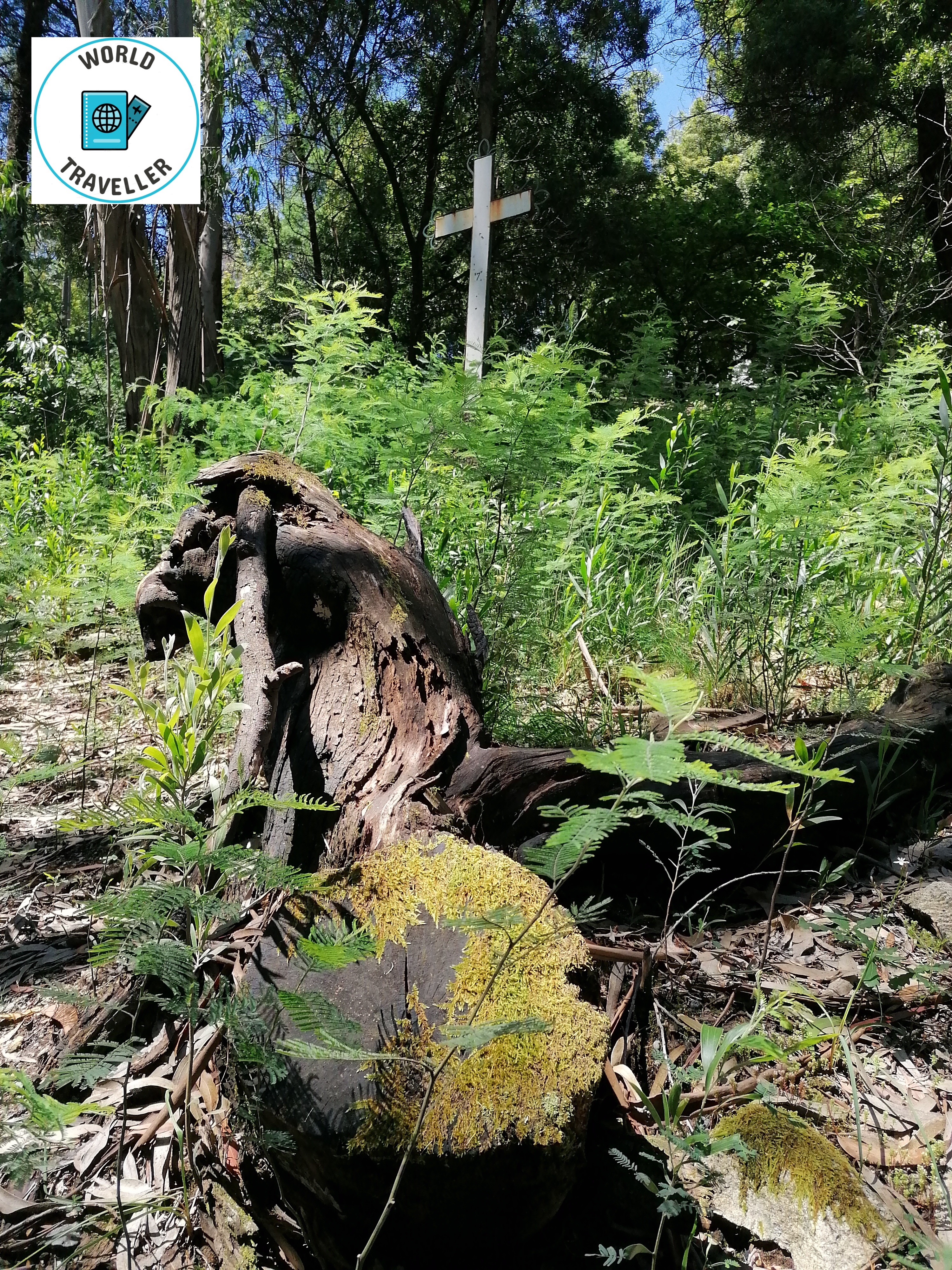
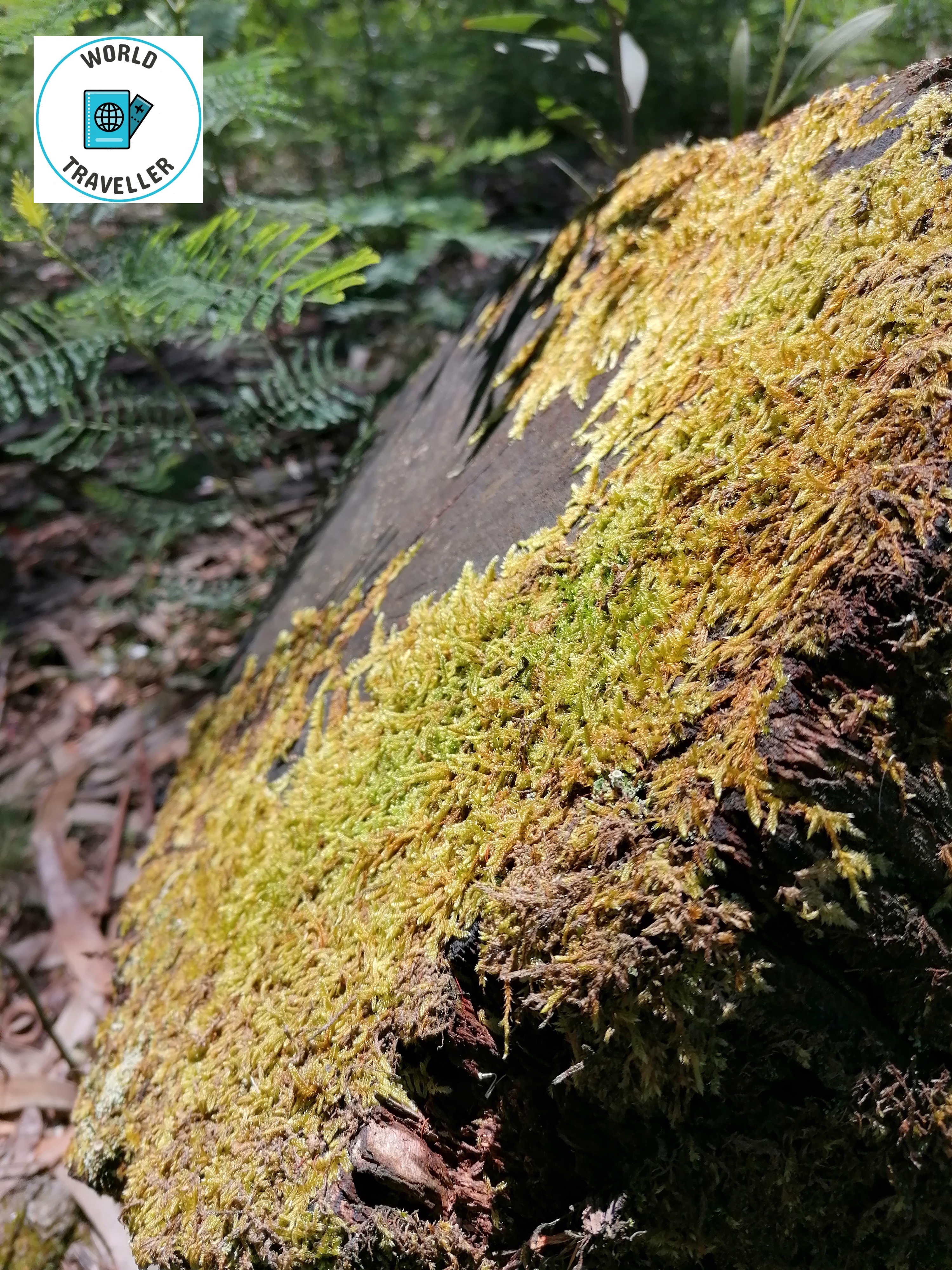
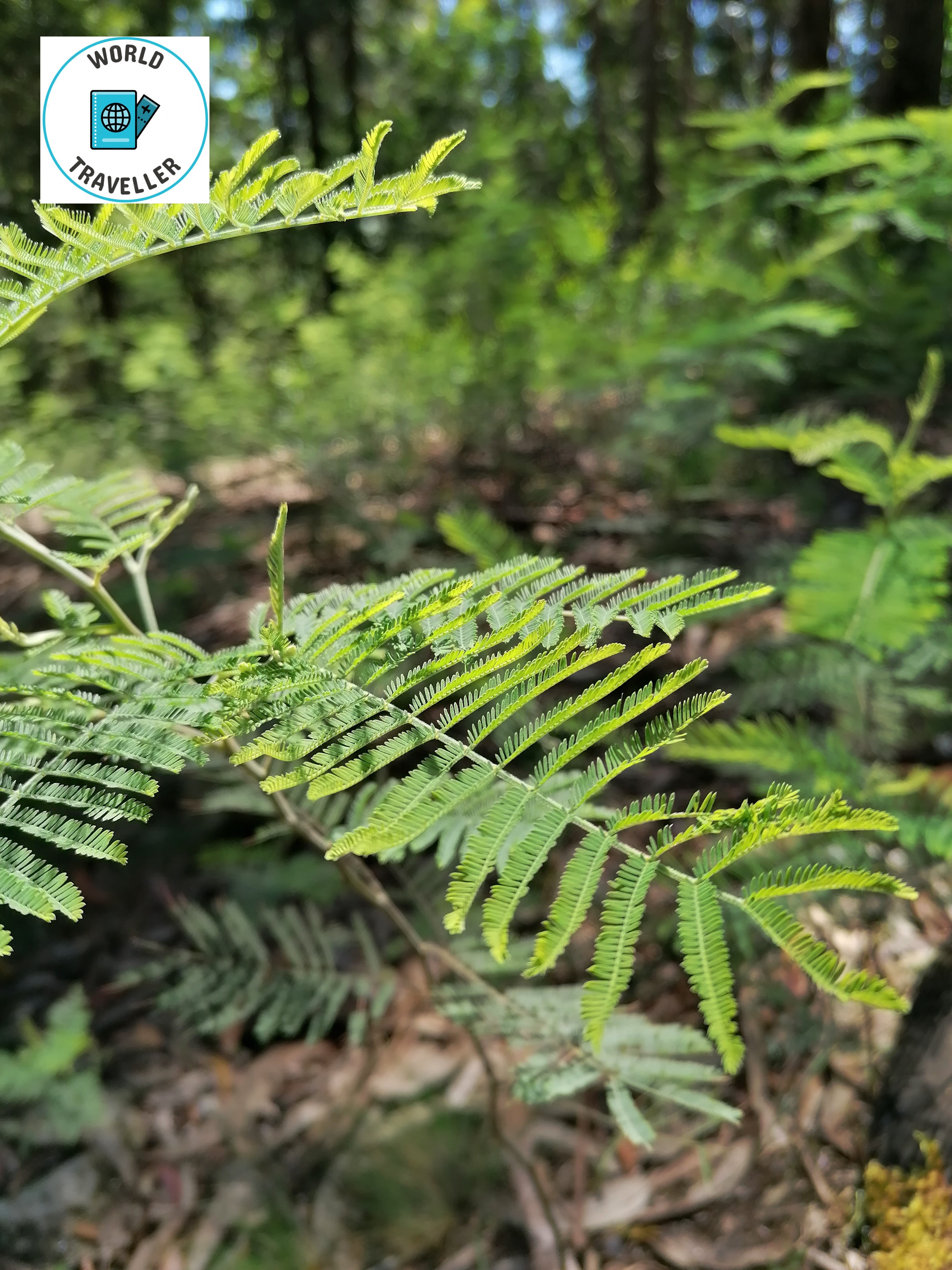
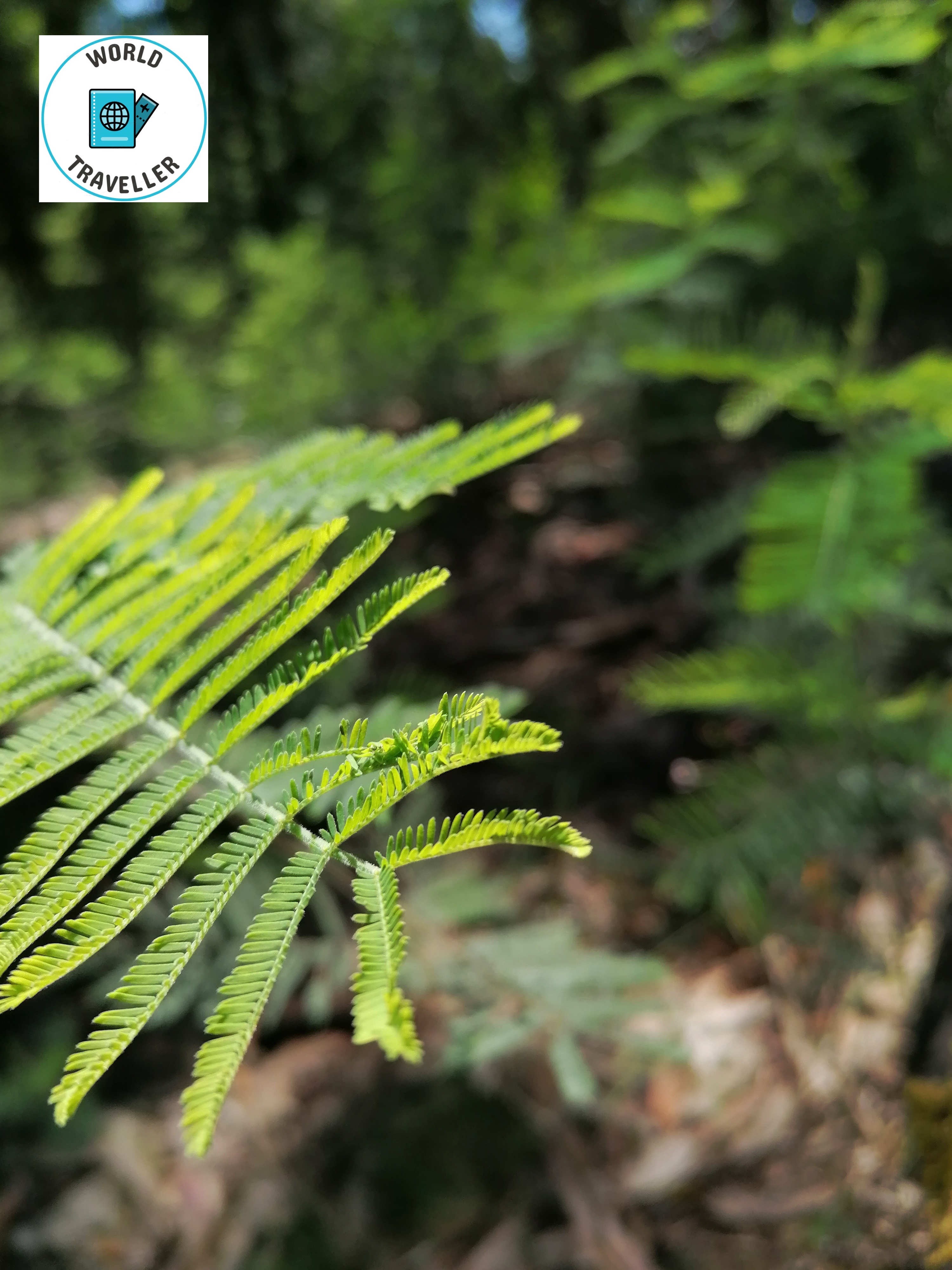
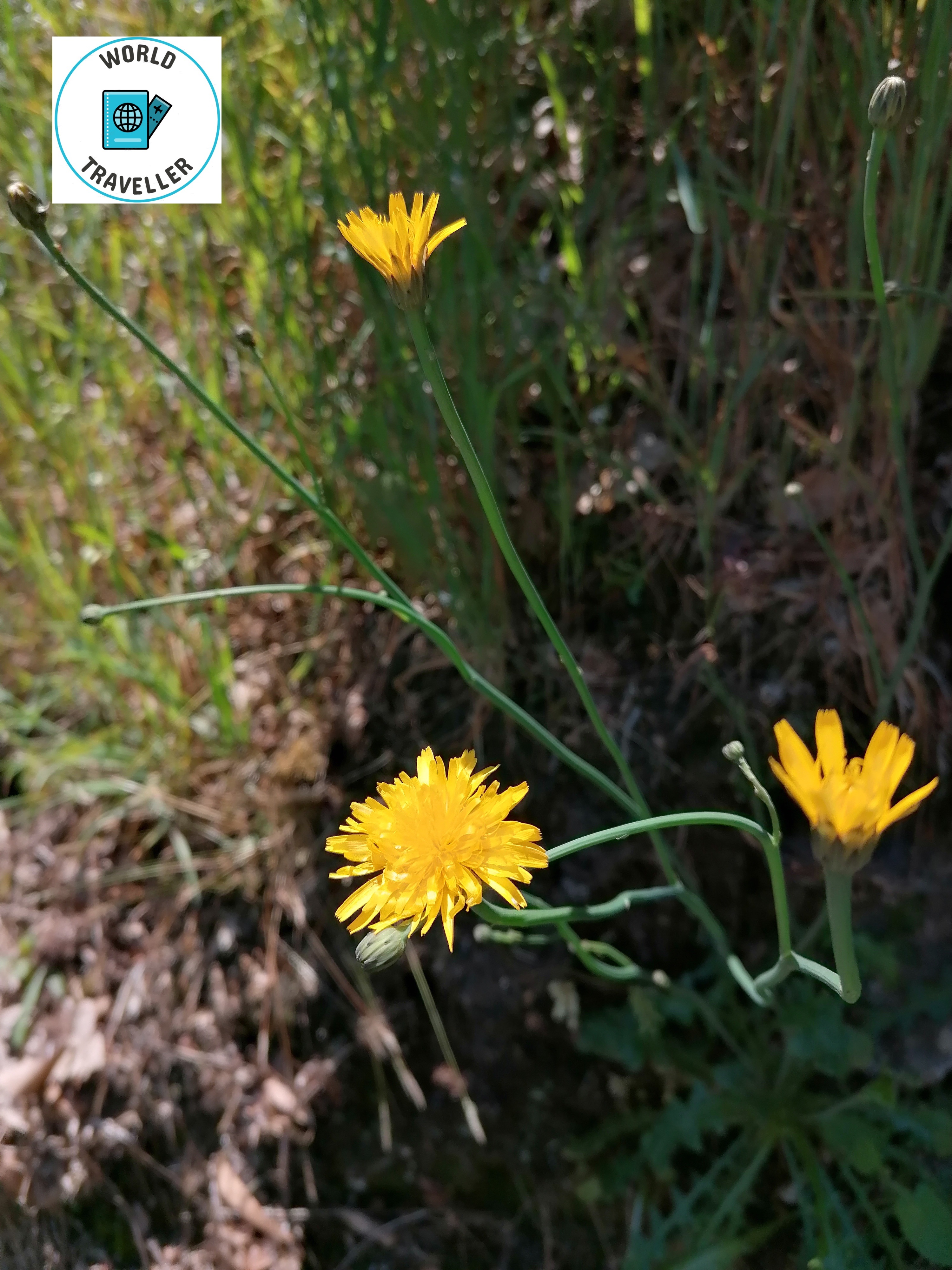
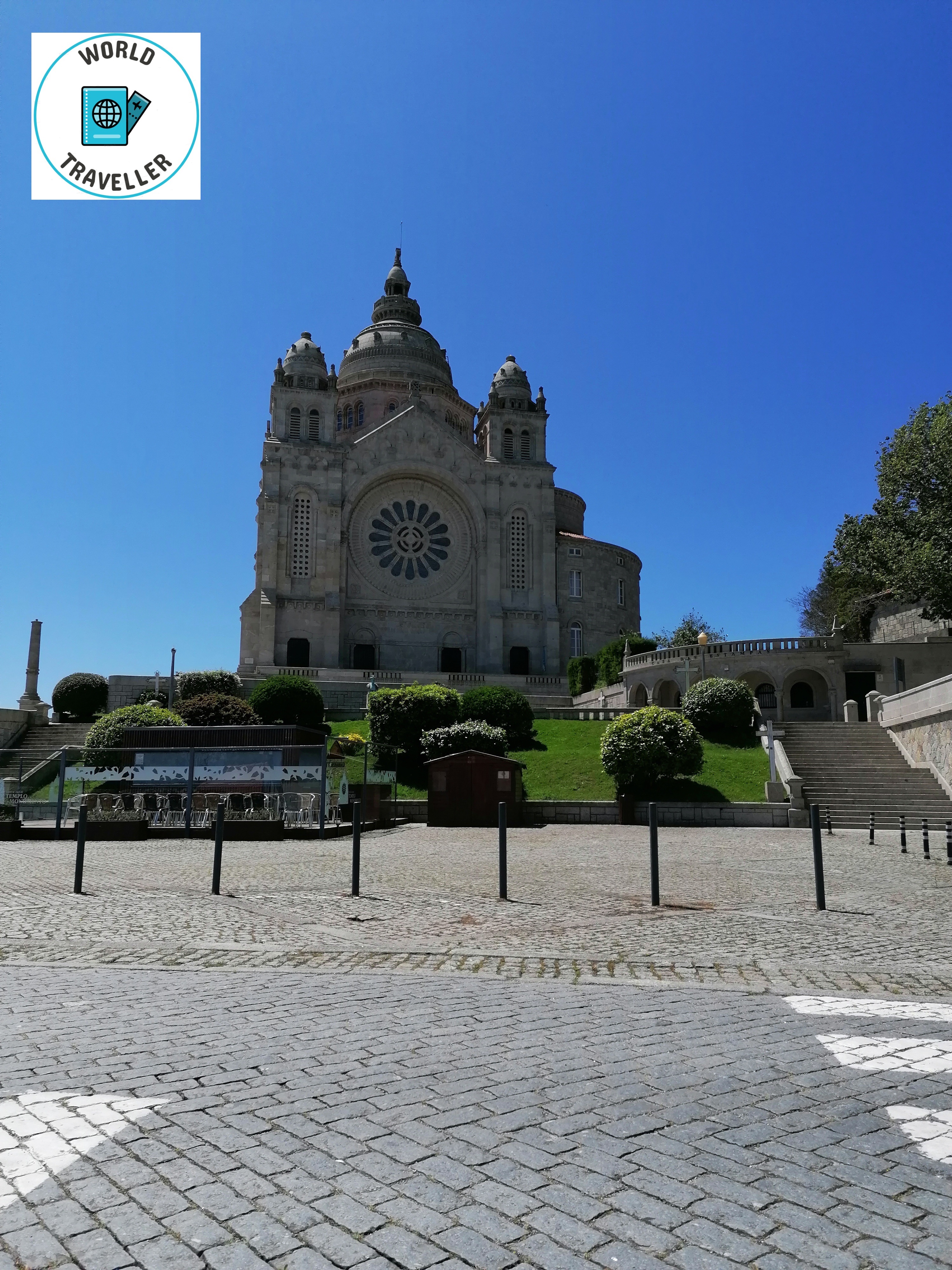
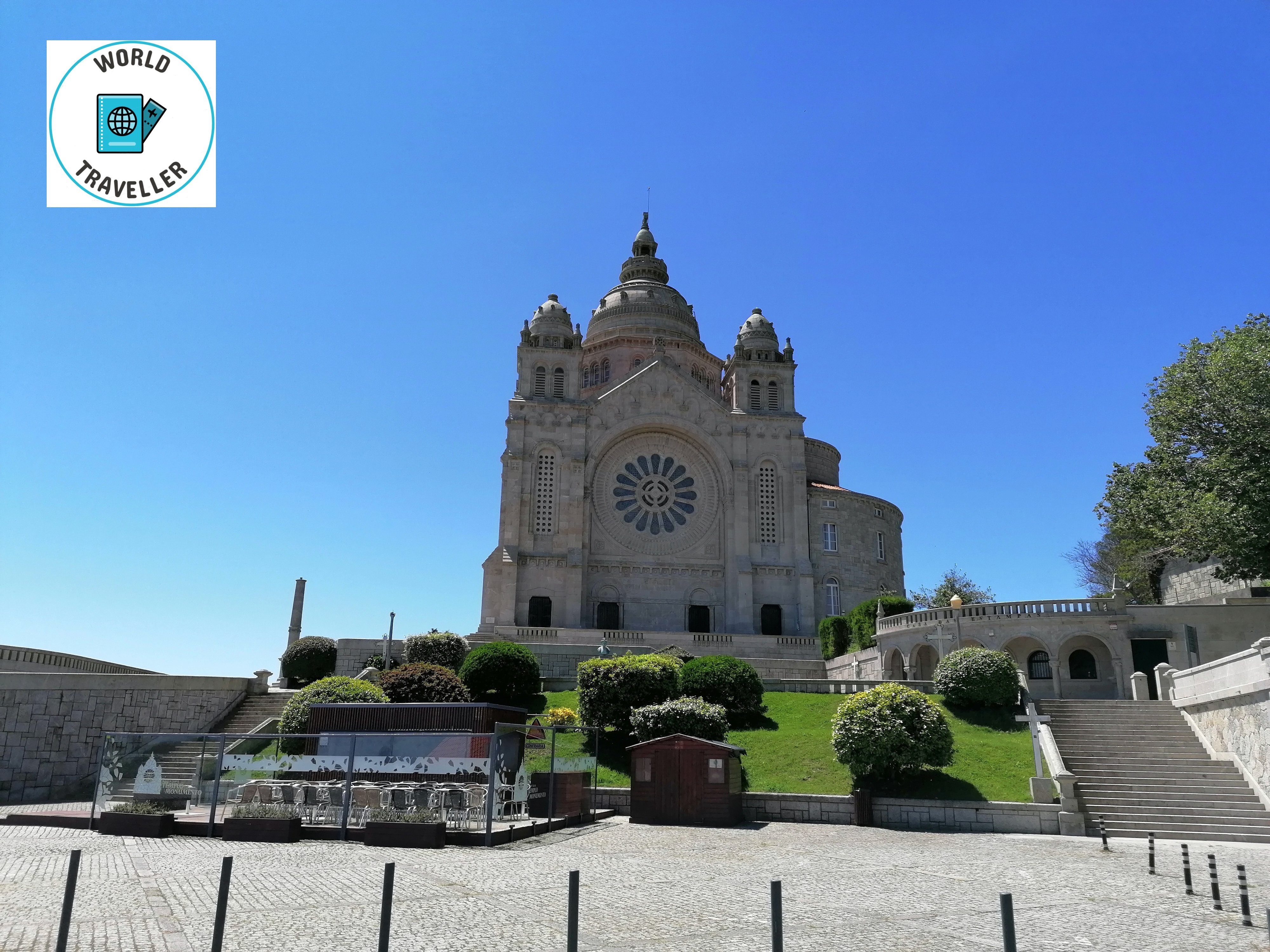
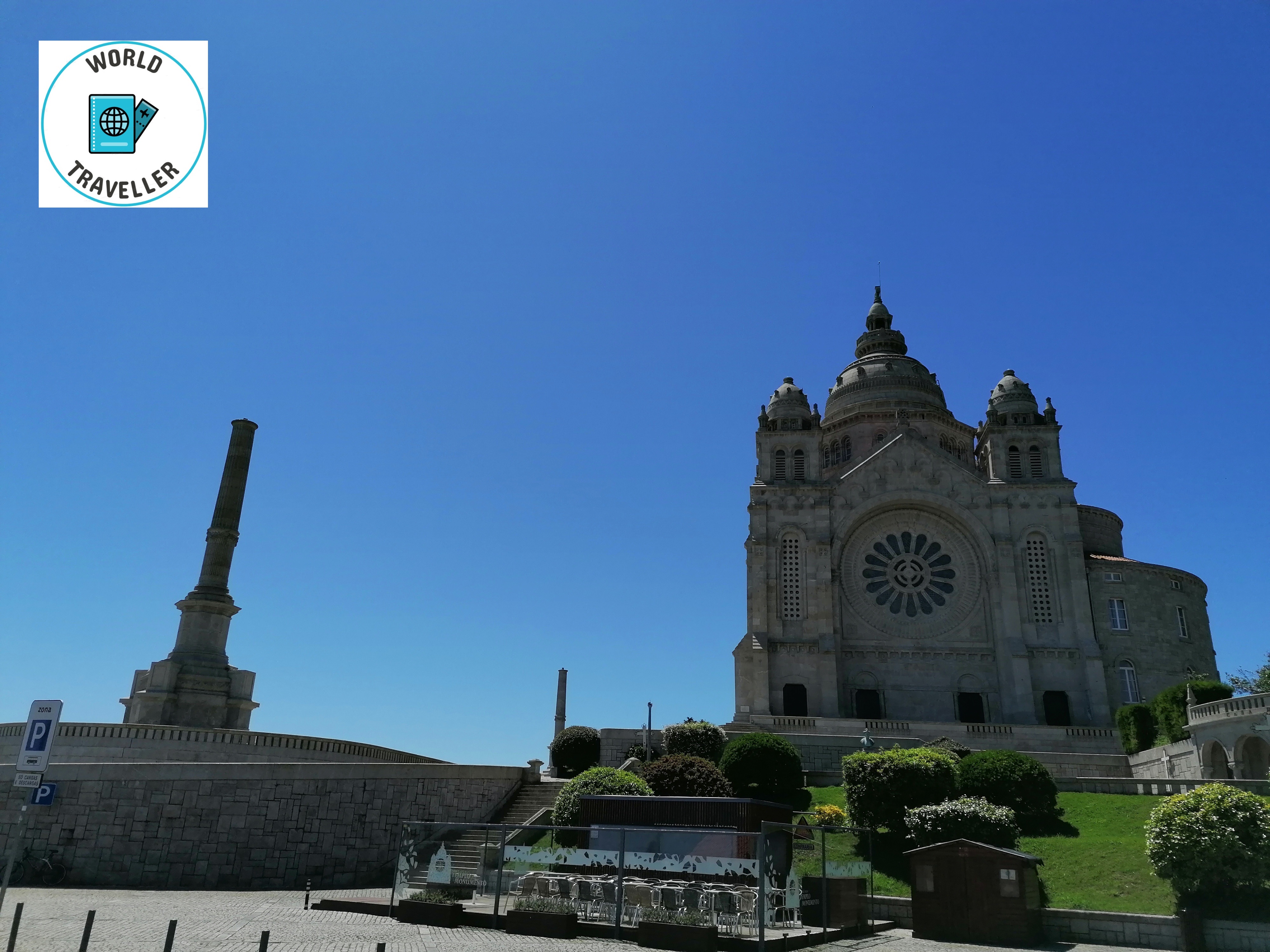
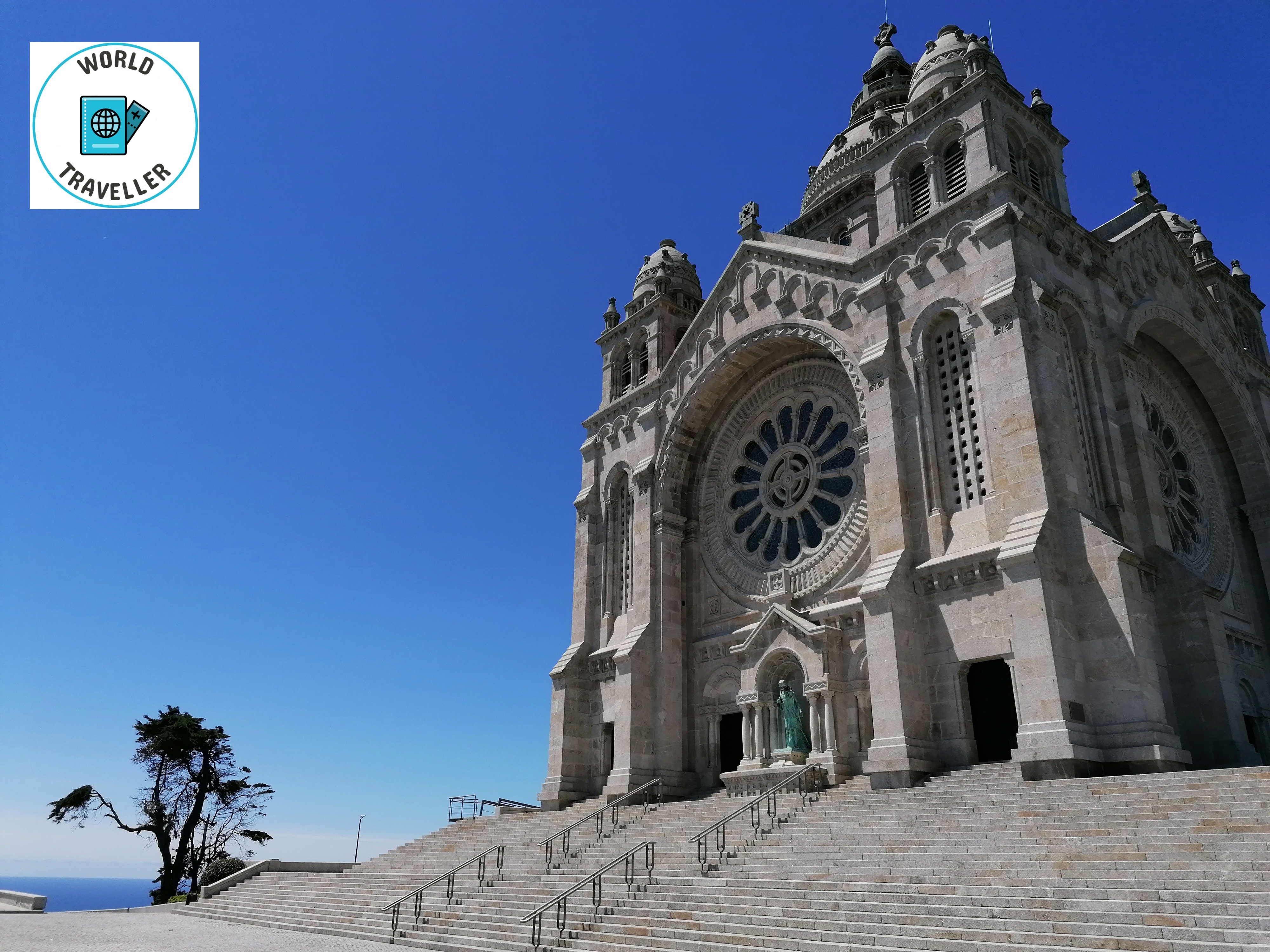
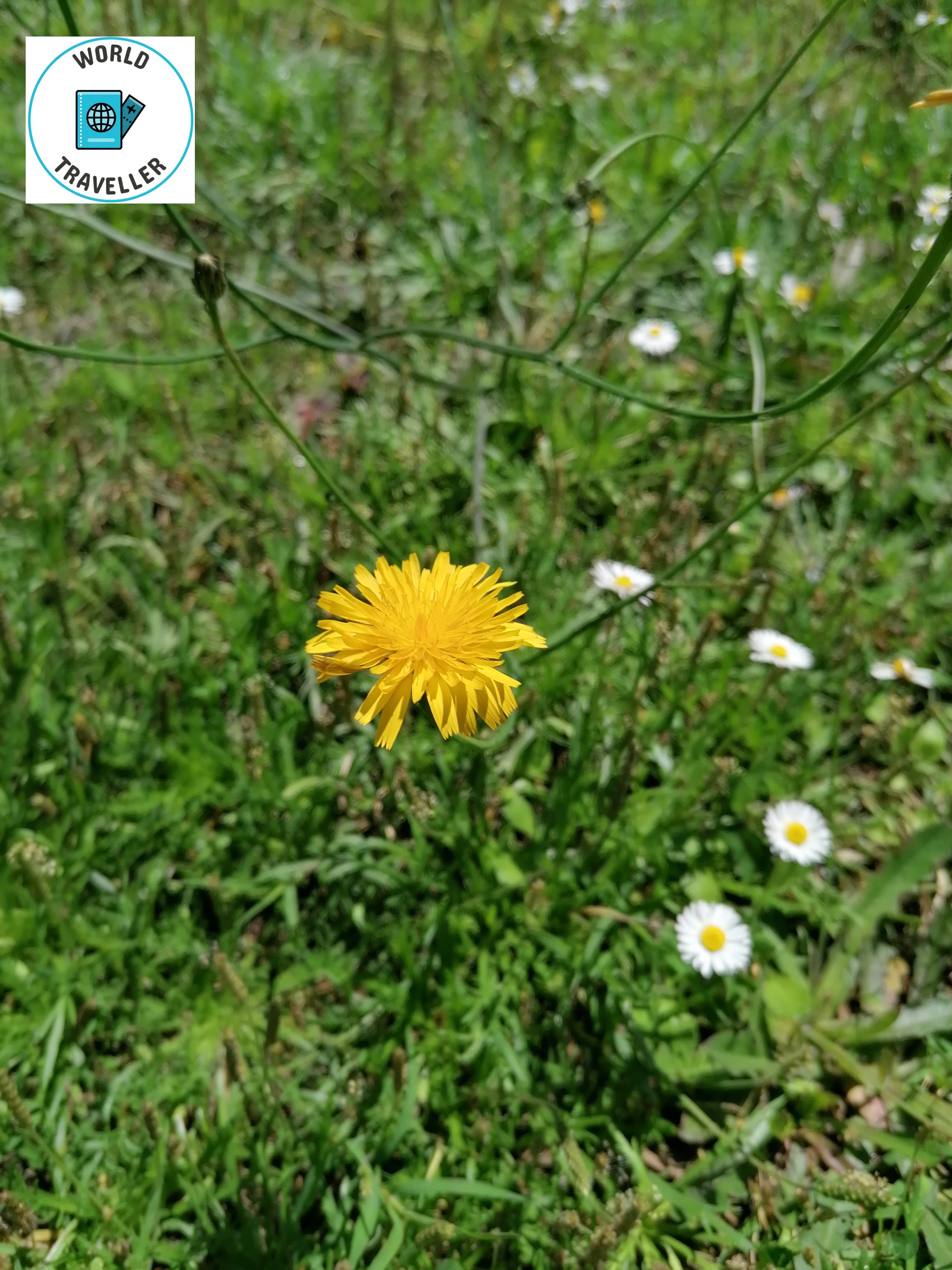
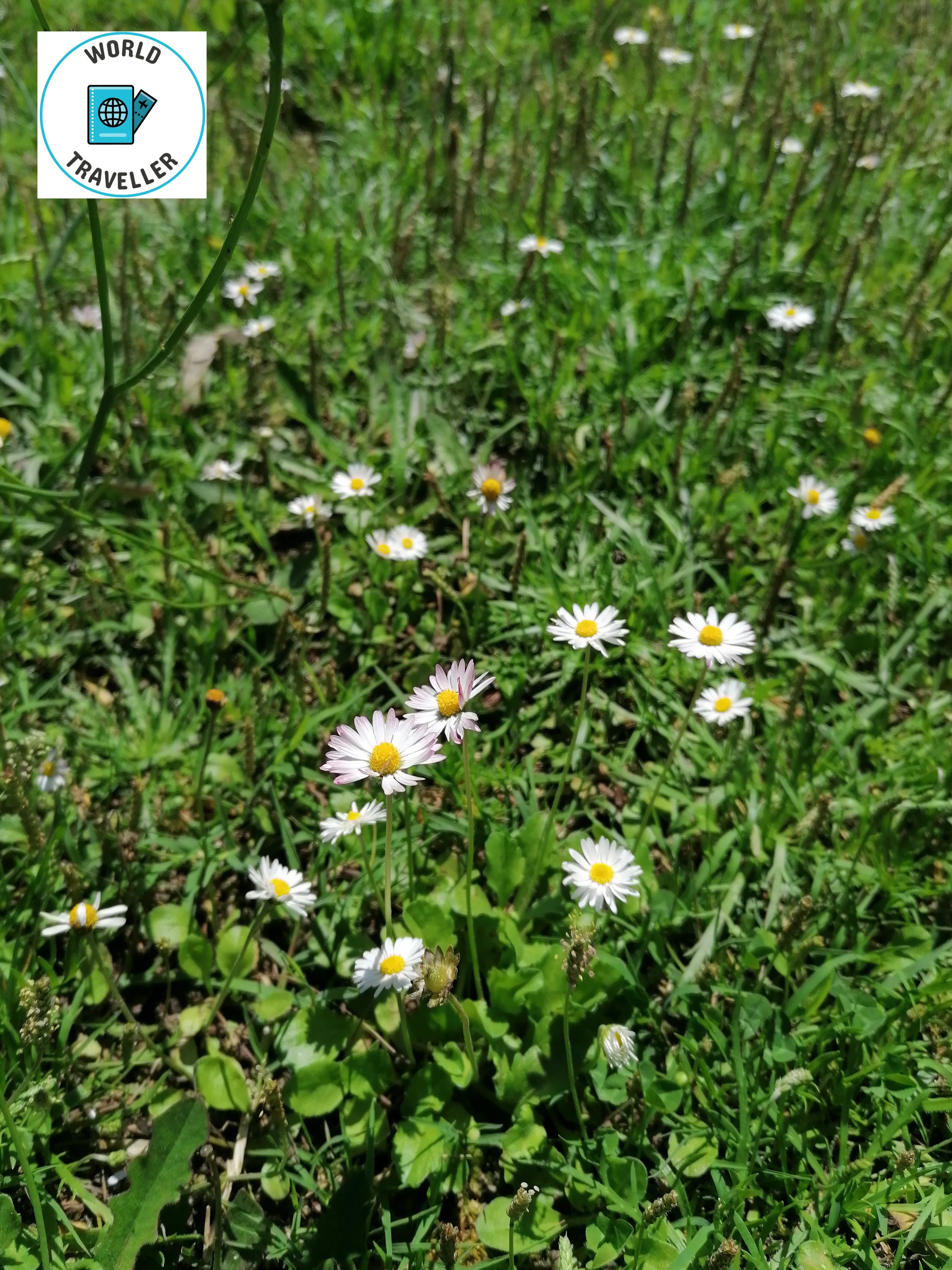
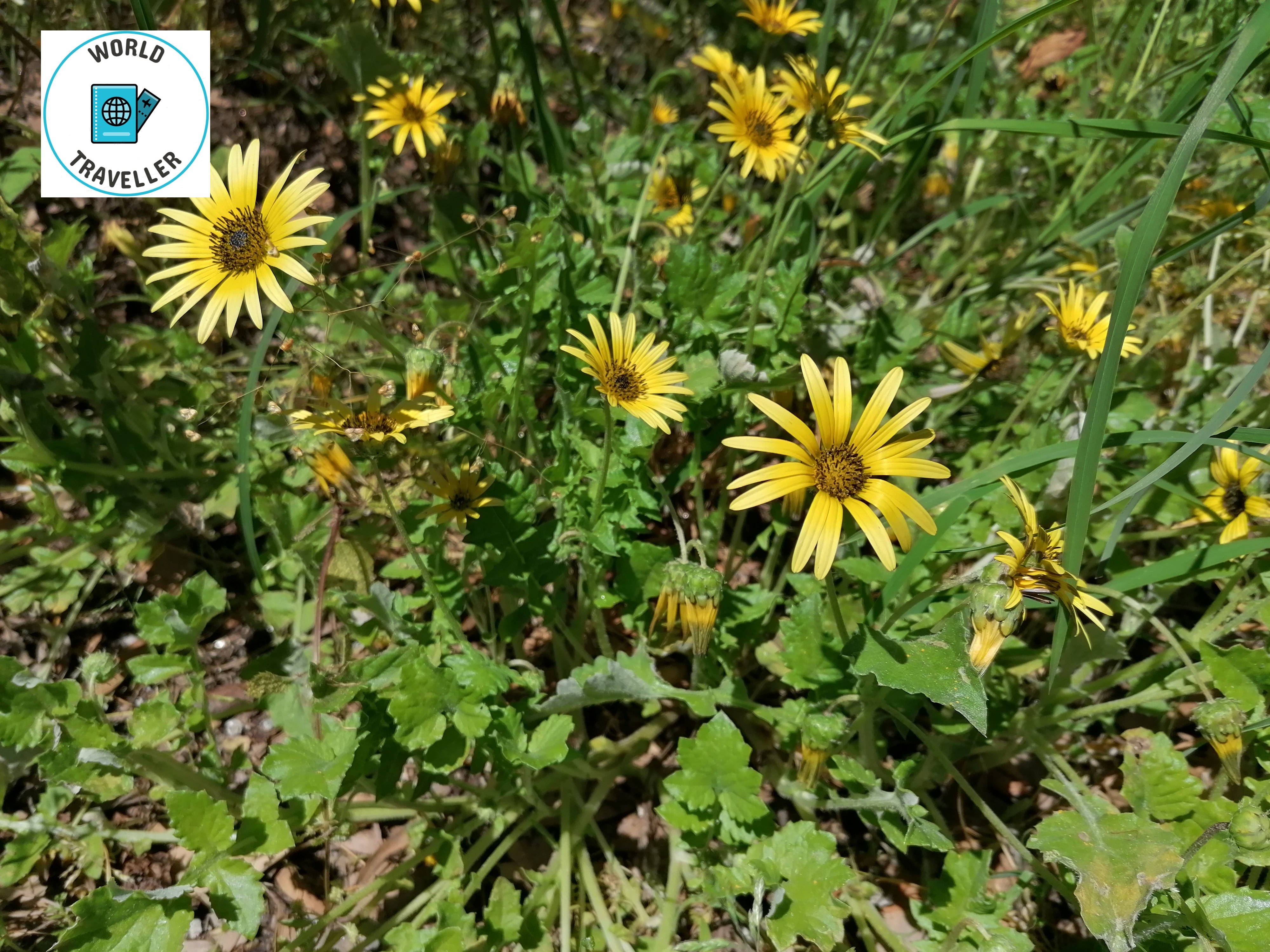
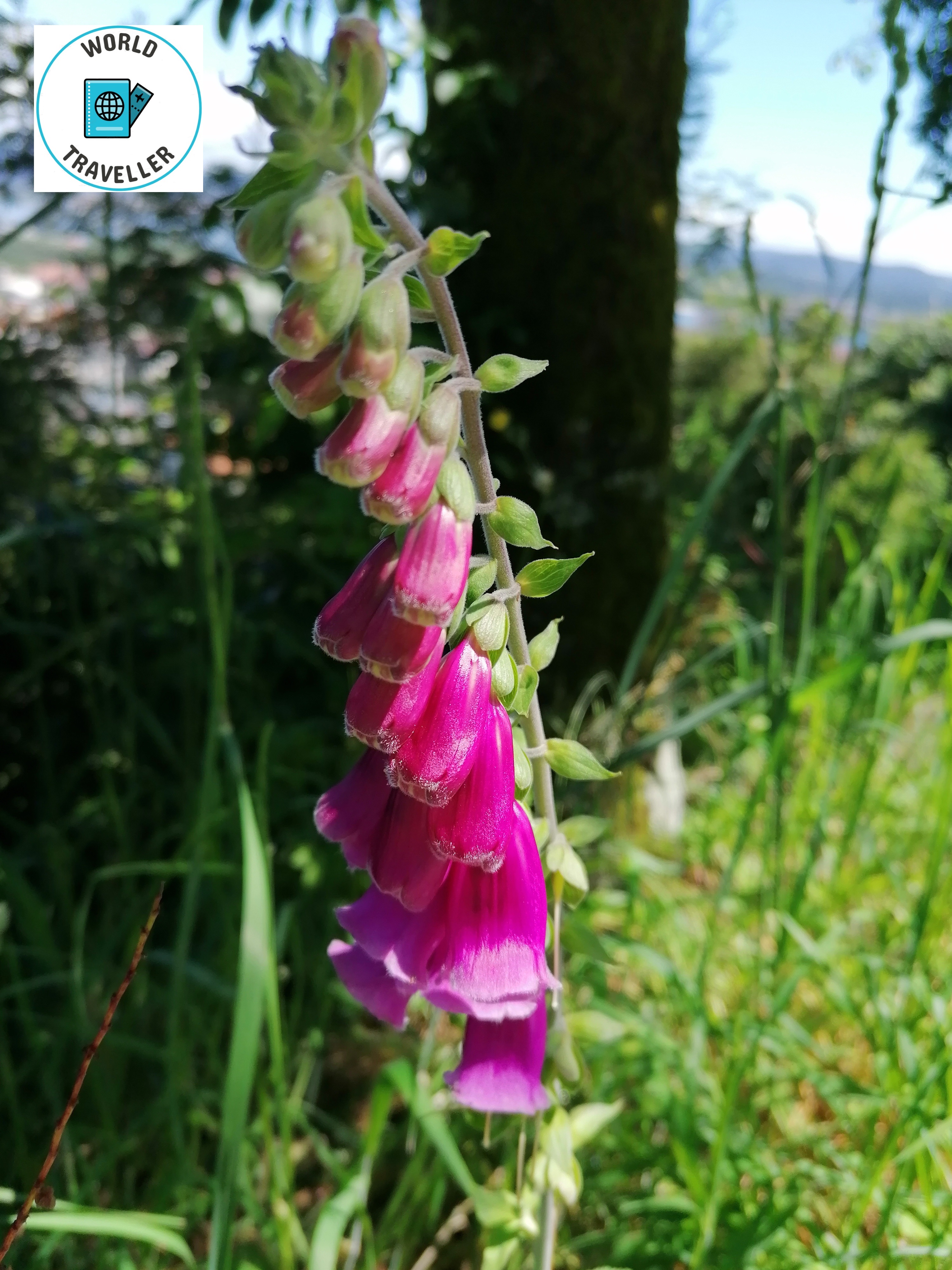
Some useful links with more information :
https://en.wikipedia.org/wiki/Viana_do_Castelo
https://www.visitportugal.com/en/content/basilica-de-santa-luzia
Have a look at the last videos on my youtube channel :
 World Traveller